The Moonlite Club
A nightclub reinvented | This Town | BBC
Set against the social and cultural upheaval of Birmingham and Coventry in 1981, Steven Knight's This Town follows a generation finding its voice through music.
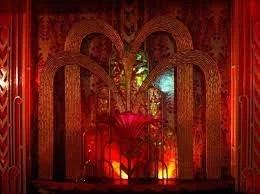
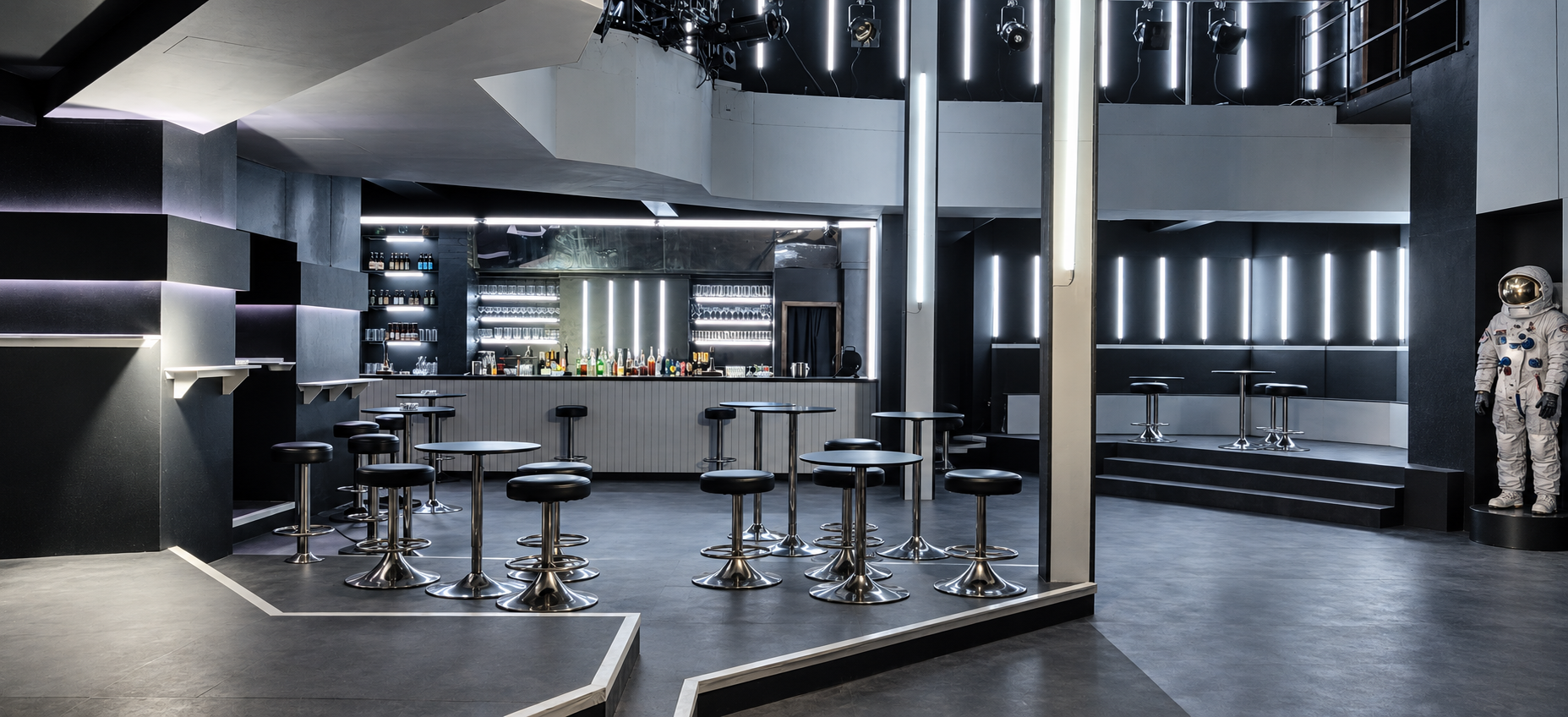
The Moonlite Club tells a parallel story through its architecture. Originally conceived as a late-1960s dance club, its space-age interiors reflected the optimism of the Moon landing era, with geometric patterns, glitter curtains and a distinctly theatrical atmosphere.
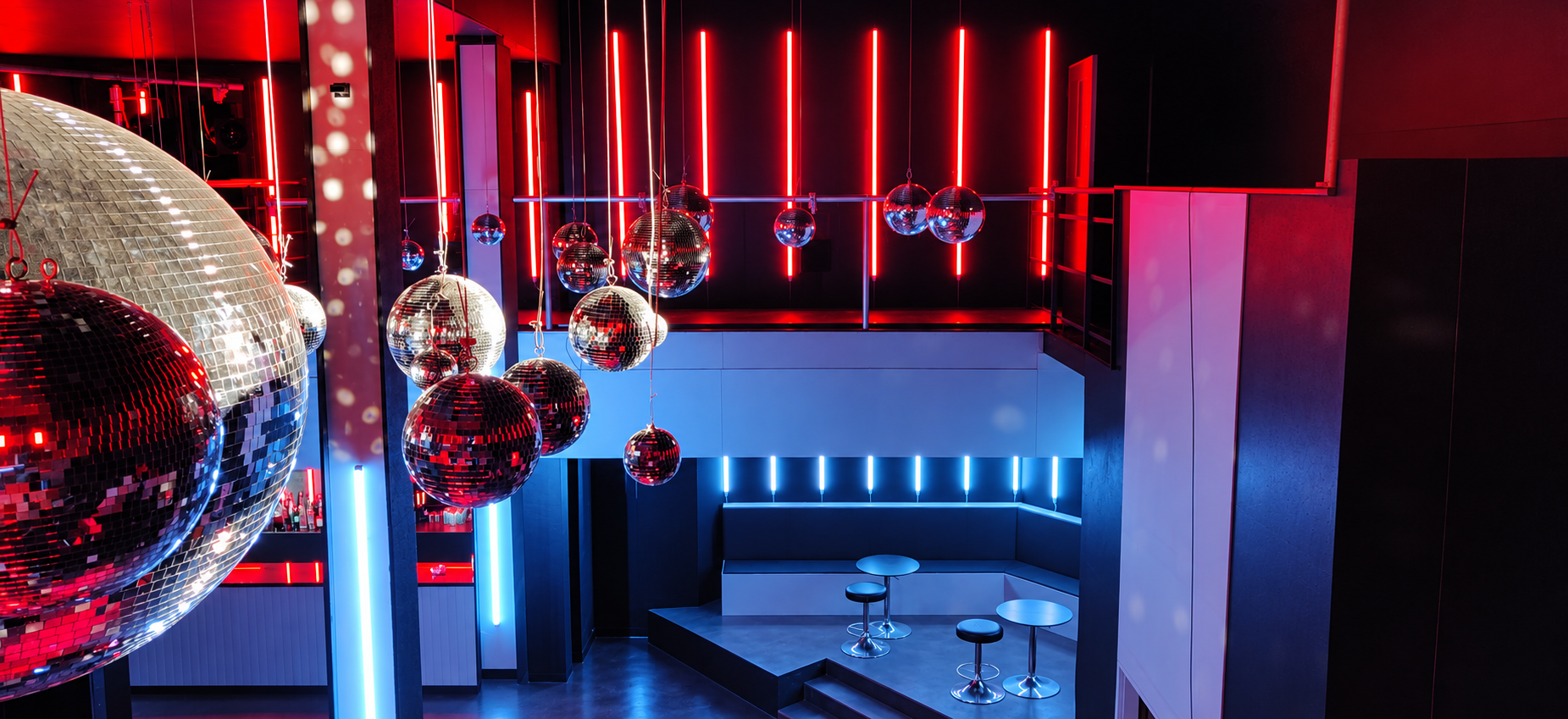
Following a violent raid and a subsequent fire, the club is rebuilt as a contemporary live music venue, reflecting the emerging energy of ska, punk and 2 Tone.
The design process involved creating three distinct environments within the same location: the original club, its destruction, and its complete reinvention. The transformation extended beyond the visual language to the way the space functioned, shifting from formal social dancing to a dynamic, performance-led venue.

Reinventing Moonlite | 1981
Set against the social and cultural upheaval of Birmingham and Coventry in 1981, Steven Knight's This Town follows a generation finding its voice through music.
The Moonlite Club tells a parallel story through its architecture. The challenge was to create not simply two different nightclub interiors, but an entire fictional history within a single physical space: its origins, destruction and eventual reinvention.
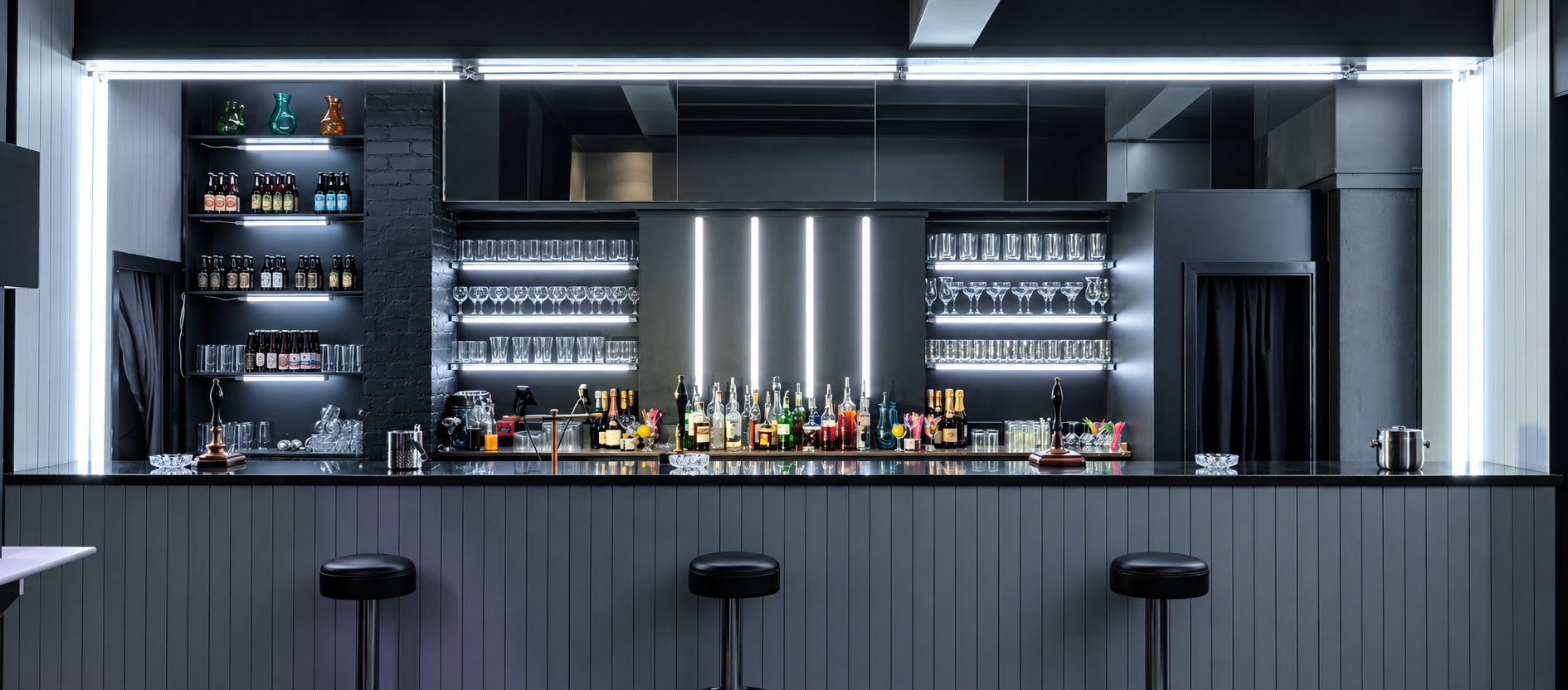
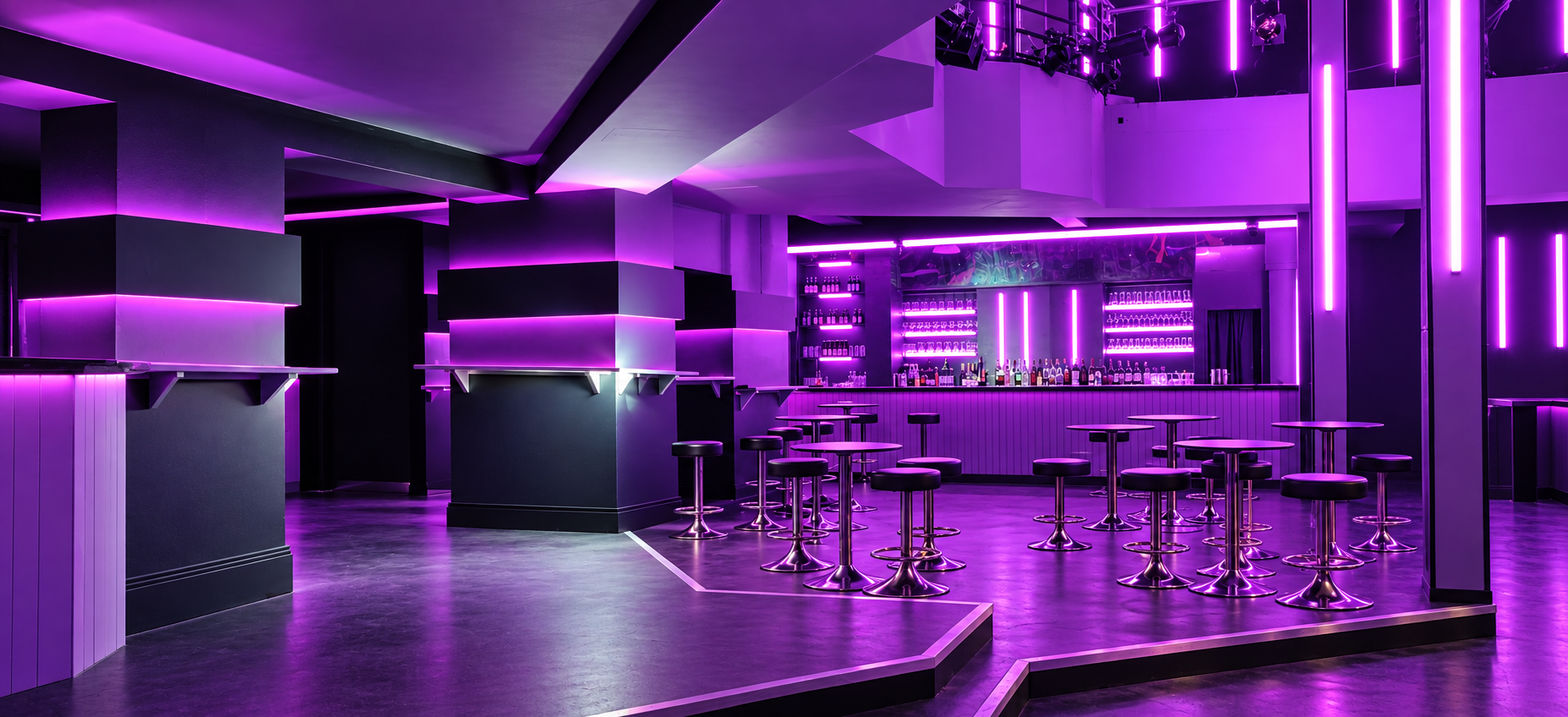
Originally conceived as an intimate late-1960s dance club, Moonlite reflected the optimism of the Space Age through geometric forms, theatrical lighting and decorative interiors. Following a violent raid and subsequent fire, it was transformed into a raw, contemporary live music venue, reflecting the emerging energy of punk, ska and 2 Tone.
The design process required three distinct environments, each with its own identity, while carefully considering how one would physically transition into the next. Beyond a change in appearance, the transformation fundamentally altered how the space functioned, shifting from formal social dancing to a dynamic, performance-led venue.
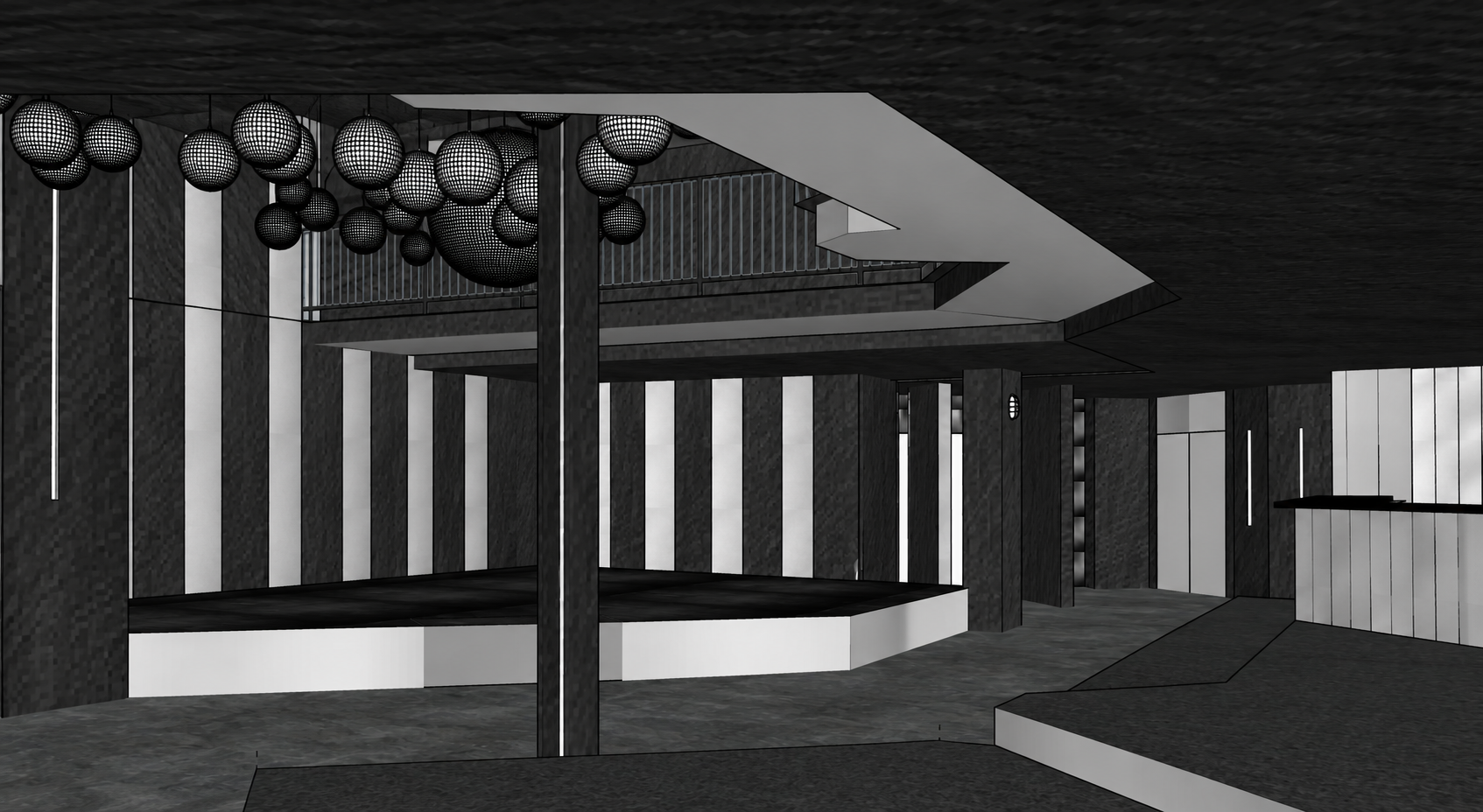
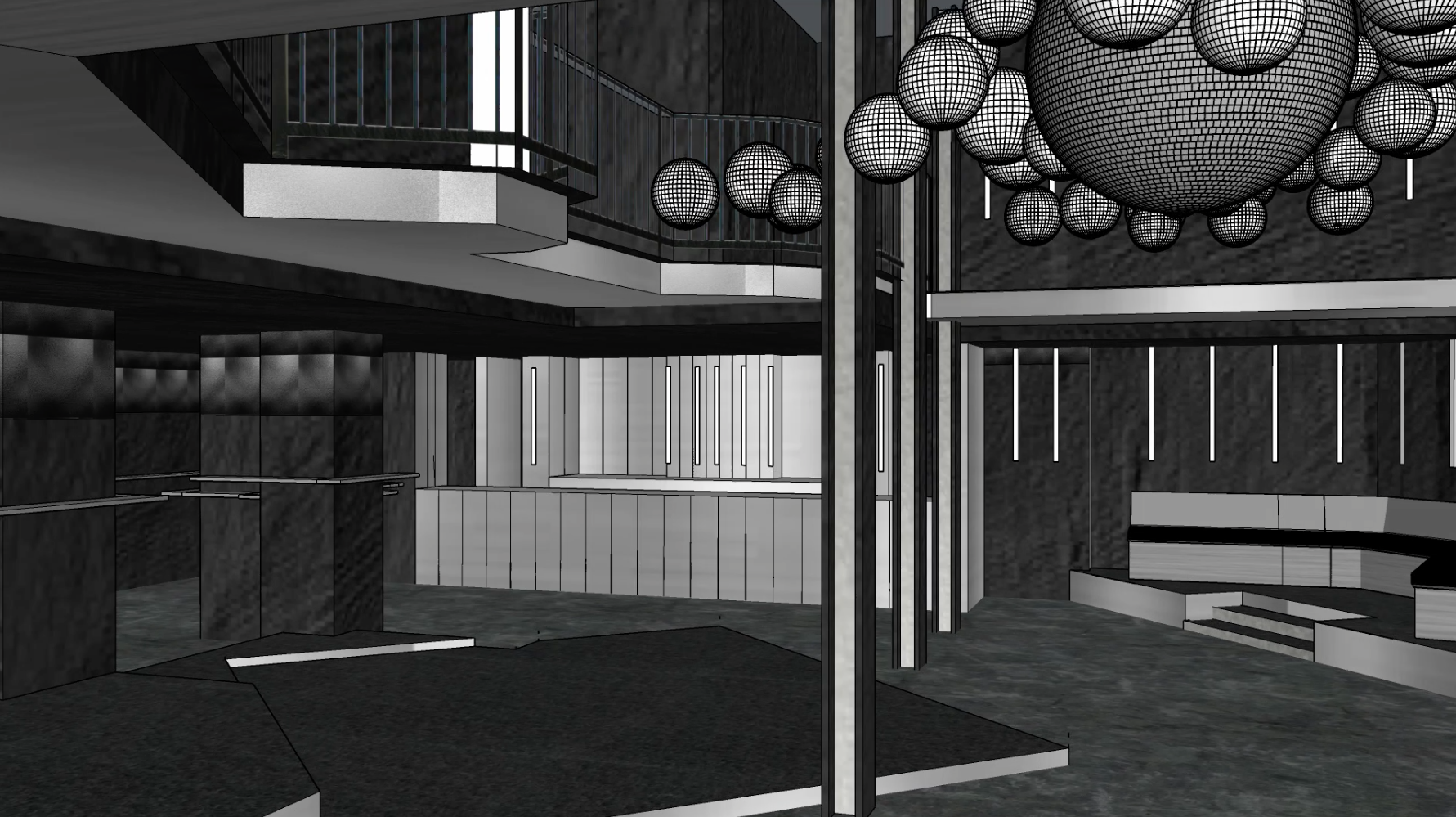
The Original Moonlite | 1969
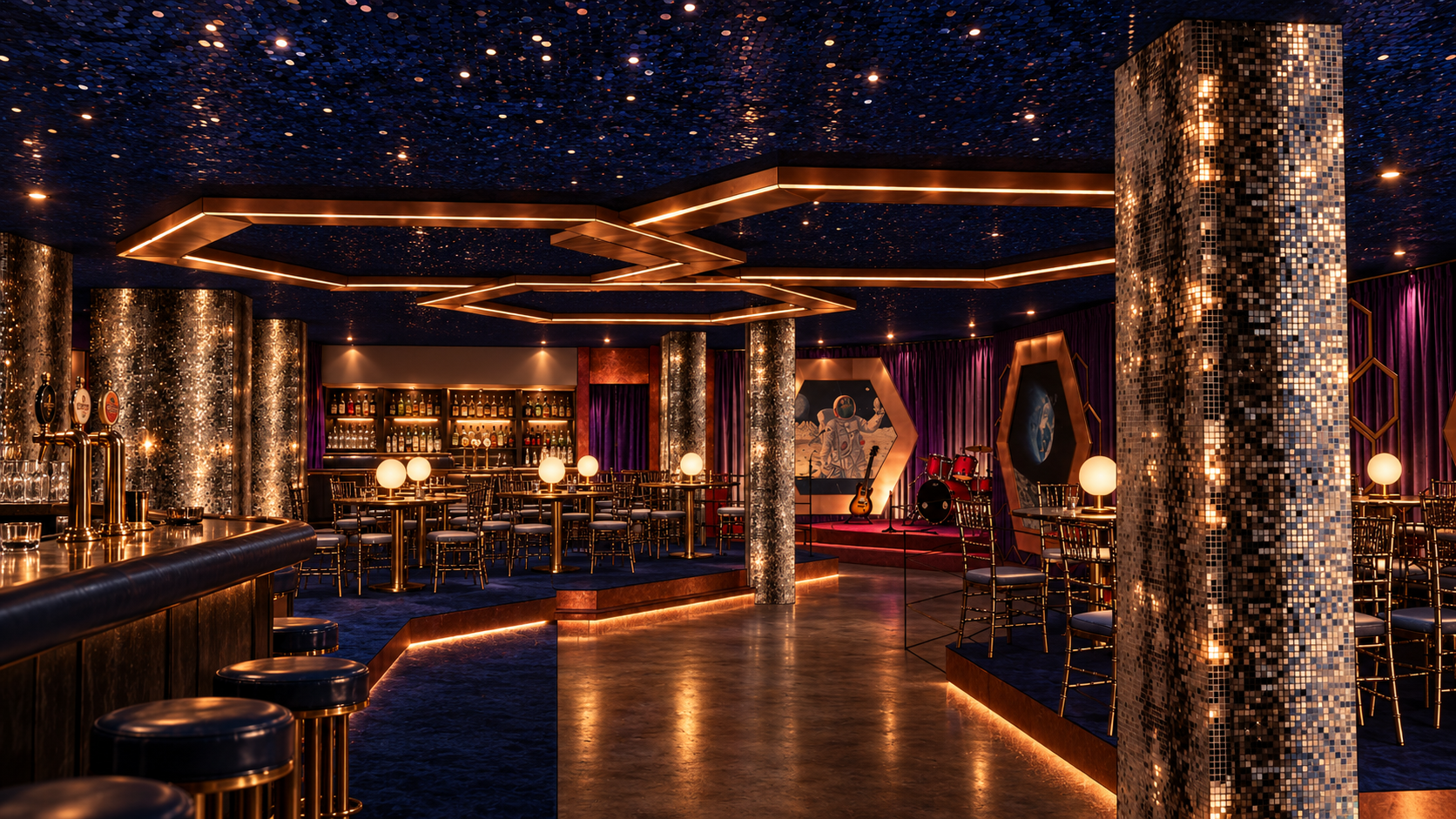
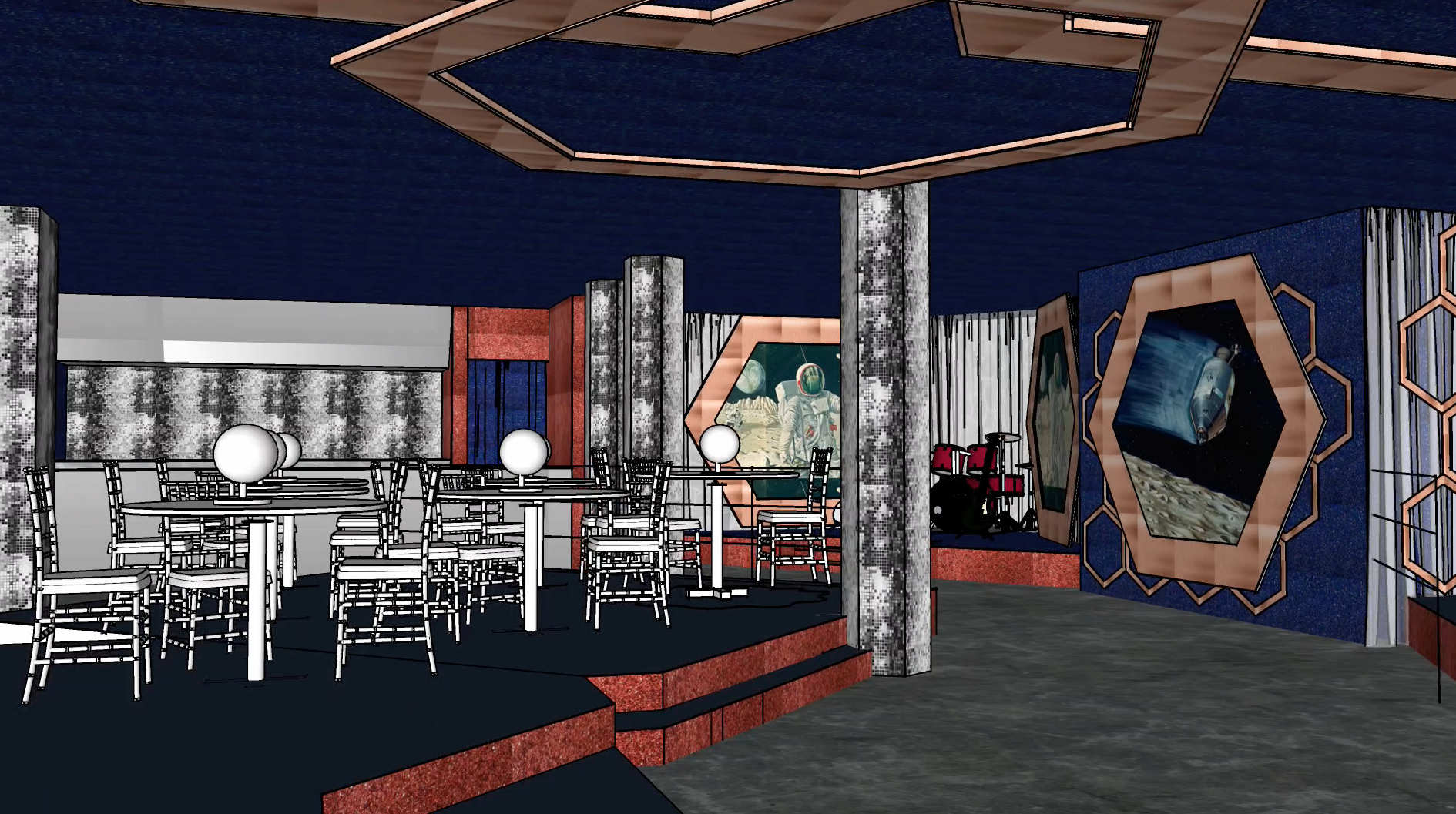
The original Moonlite was imagined as a late-1960s dance club, reflecting an era fascinated by space exploration, new technologies and the optimism surrounding the Moon landing.
Unlike its eventual successor, the club was intended to feel intimate, theatrical and slightly enclosed. Social dancing took place within a more formal arrangement of tables, seating areas and a relatively small performance stage.
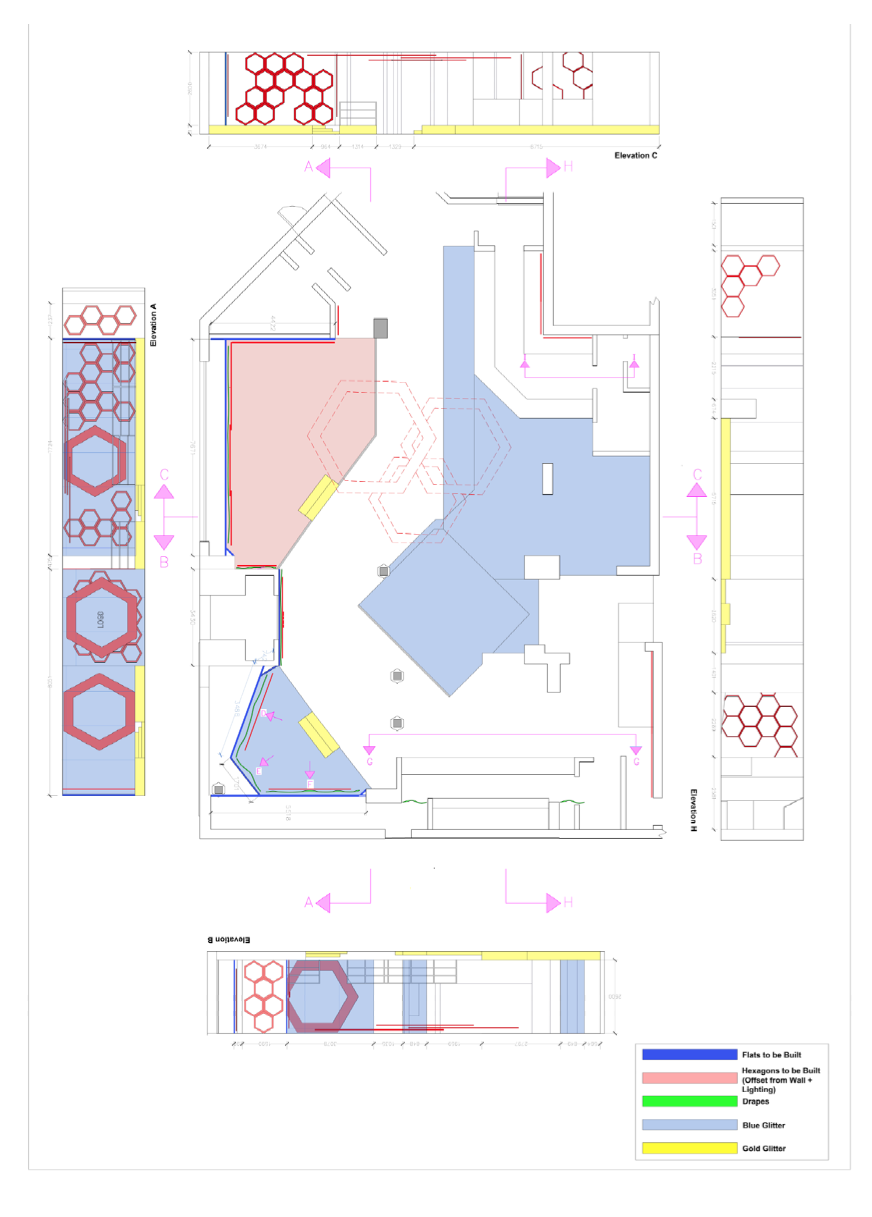
The challenge was that the existing venue already featured a large mezzanine and a complex, open architectural structure. To create a convincing transformation between the two periods, the original club needed a very different sense of scale and enclosure.
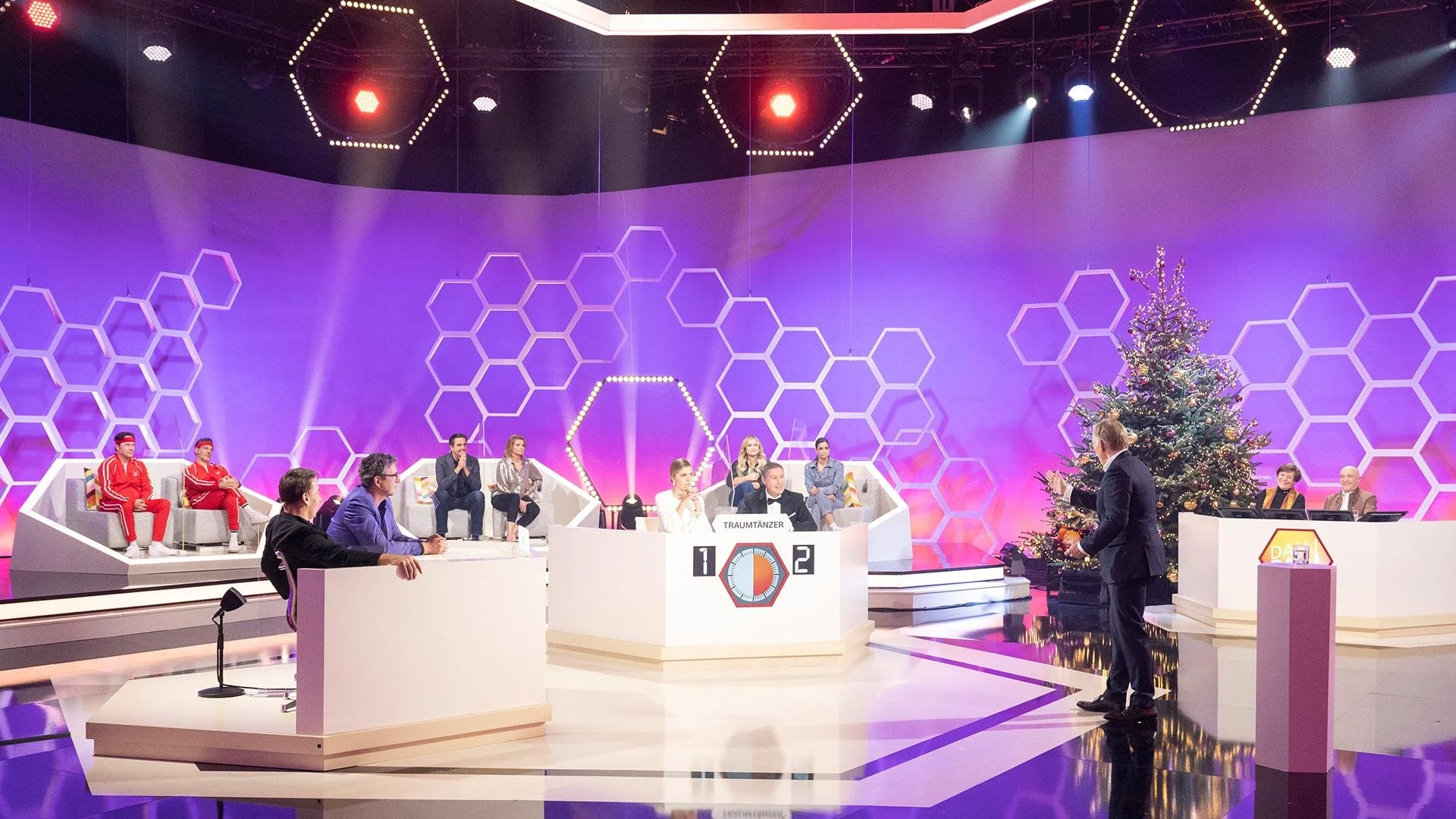
A suspended ceiling installation was introduced to visually lower the space. Built around a series of interlocking hexagonal forms, it served both as a sculptural centrepiece and as a source of illumination, establishing a distinctive identity for the club.
The hexagonal language continued throughout the interior, complemented by decorative surfaces, mirrored finishes, drapes and softer lighting.
Where the later club would celebrate the exposed architecture, the original Moonlite sought to create a world within it: intimate, optimistic and deliberately removed from the outside world.
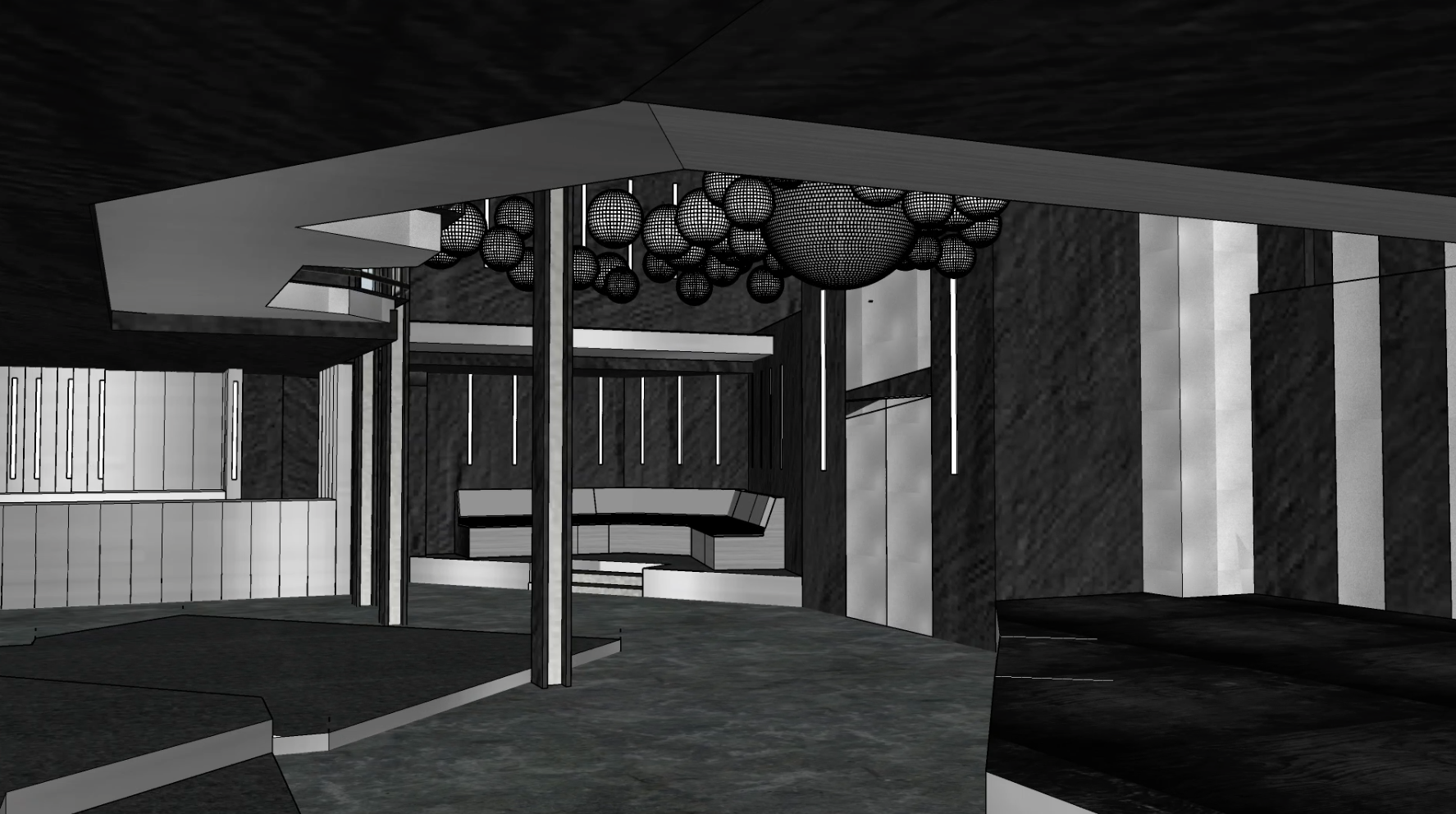
From Concept to Construction
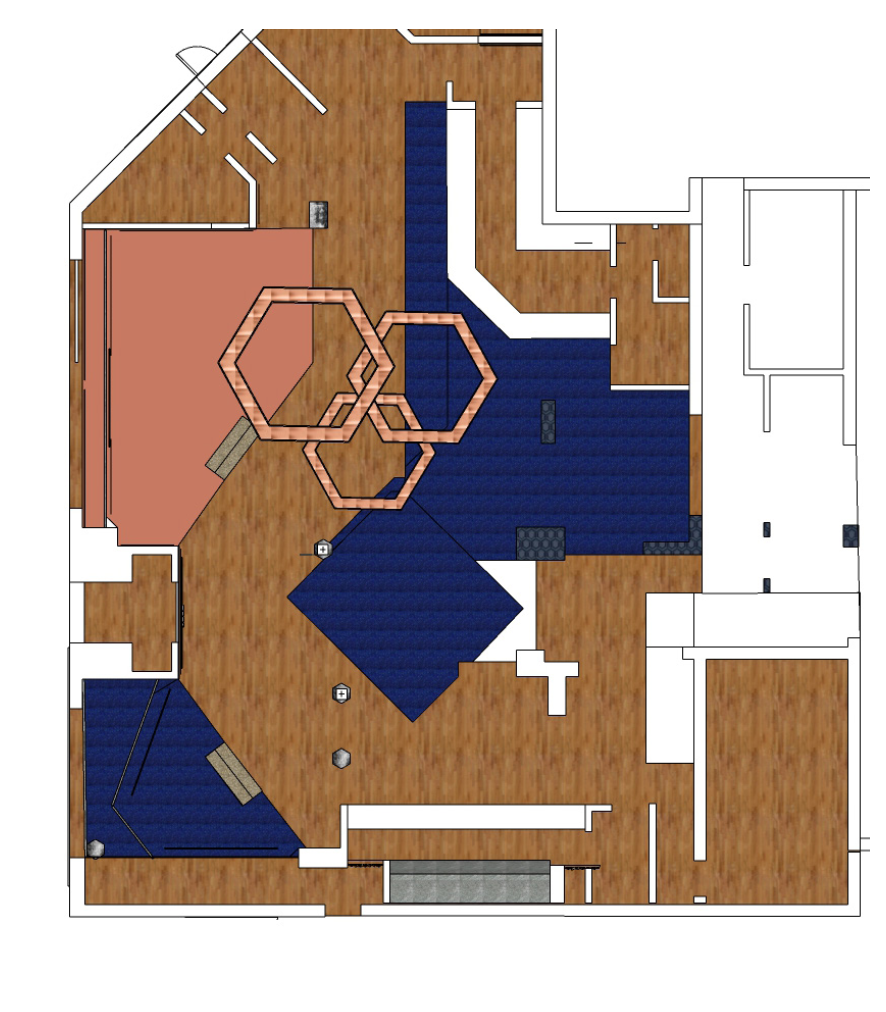
The visual concepts were developed into spatial layouts, technical drawings and fabrication details, working closely with the art department, construction teams and specialist suppliers.
My role extended from the initial design and spatial planning to overseeing the technical development, construction and eventual transformation of the venue. Every element needed to work within the existing building, the production schedule and the practical demands of filming.
research & references
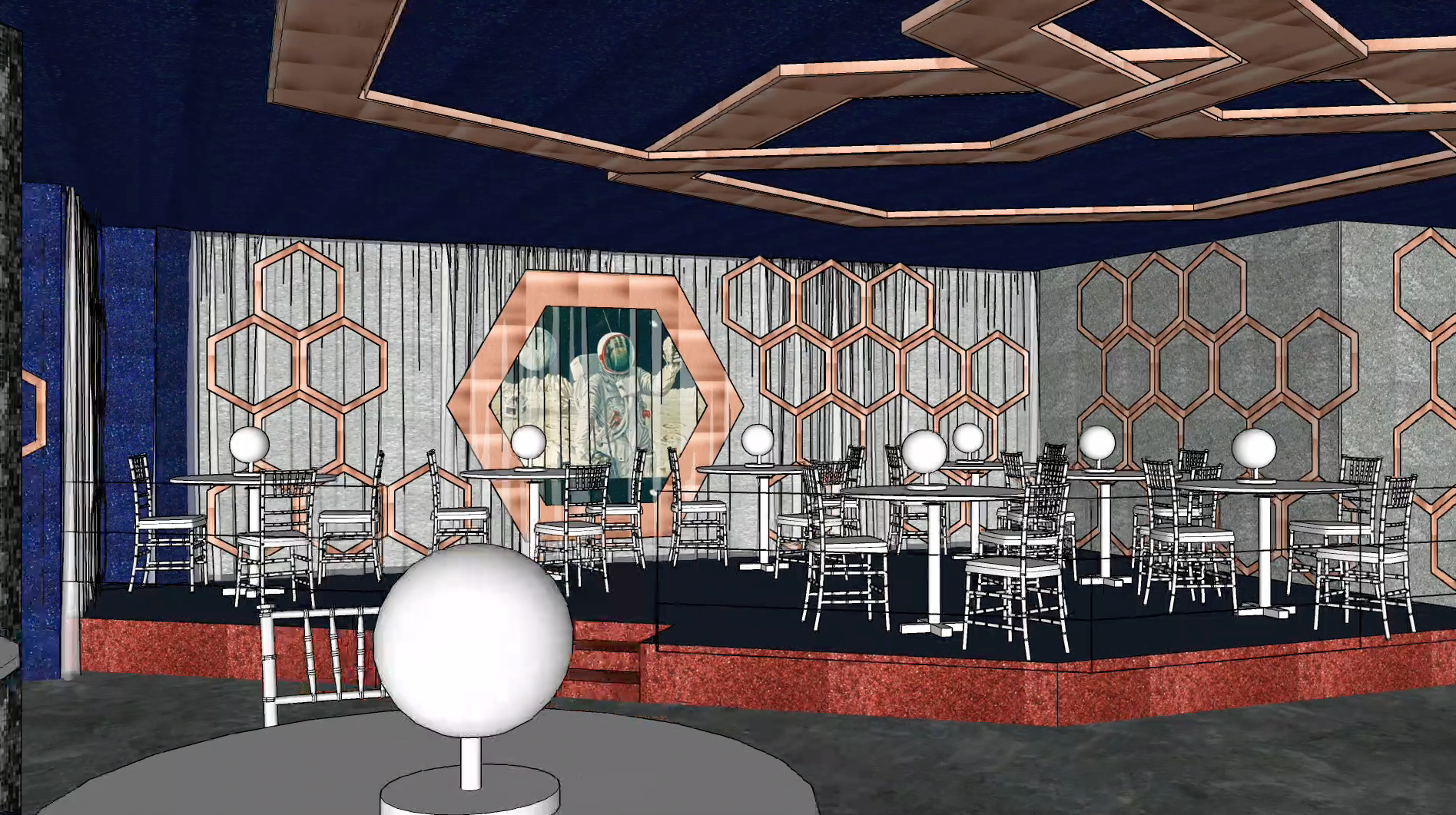
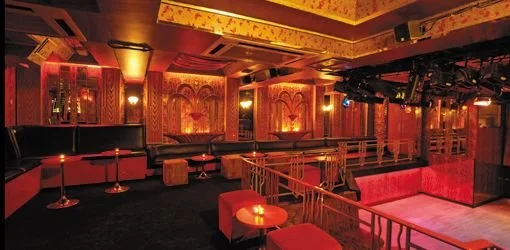
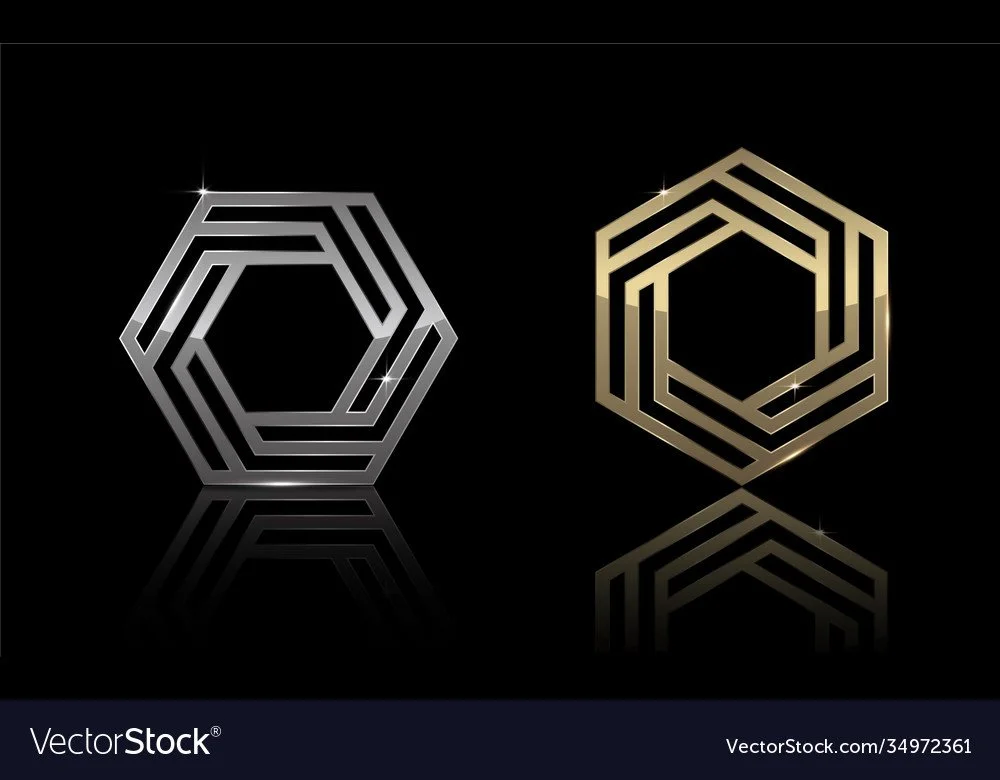

Visualisation of the Club how it would have looked like
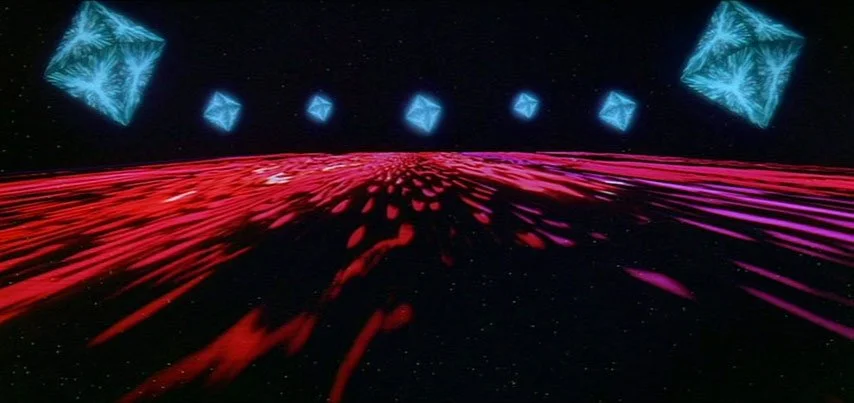
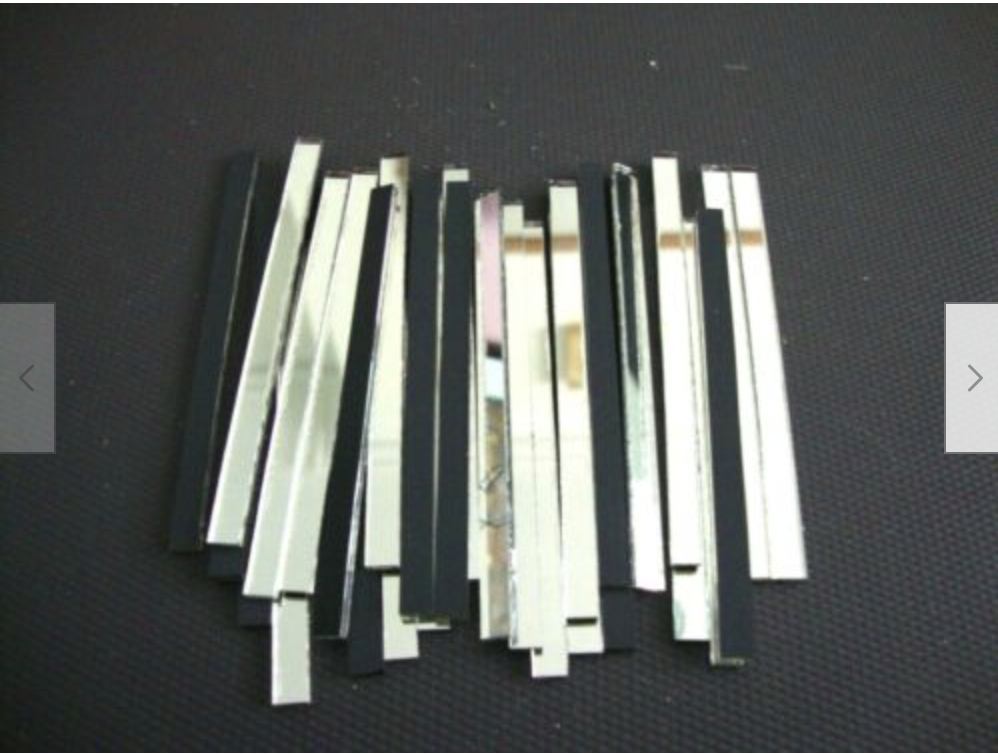
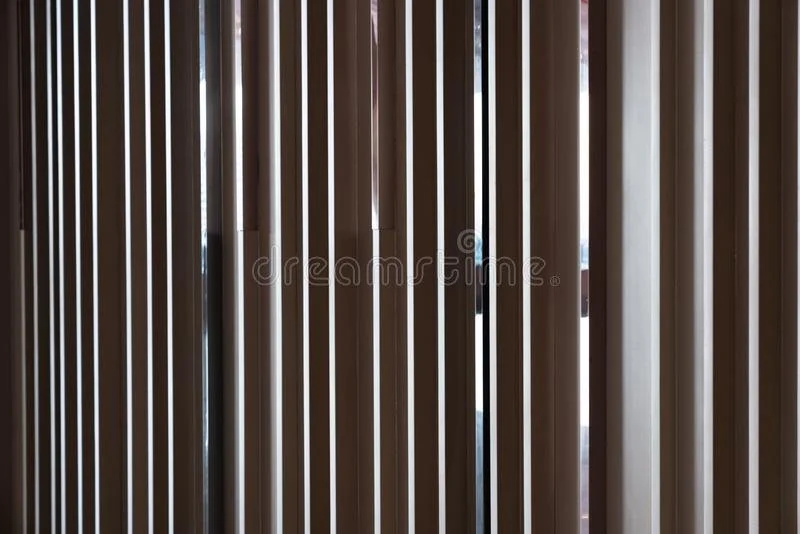
I wanted these verticals to suggest upward movement, almost like blades or spears cutting through the architecture. A visual expression of energy pushing against established structures and social boundaries.
This was deliberately different from the original club's language of hexagons, circles and spheres, where geometry had been used to create harmony and enclosure.
The existing venue, with its angular platforms, structural columns and unconventional mezzanine, provided an unexpectedly strong foundation for the new design. Rather than concealing these elements, the reinvention embraced their harder, more architectural character.
What had once been a space organised around social dancing became a venue for live performance, shared energy and a changing cultural identity.
Destruction | The End of an Era
The destruction of the original Moonlite marked the end of one era and created the opportunity for another.
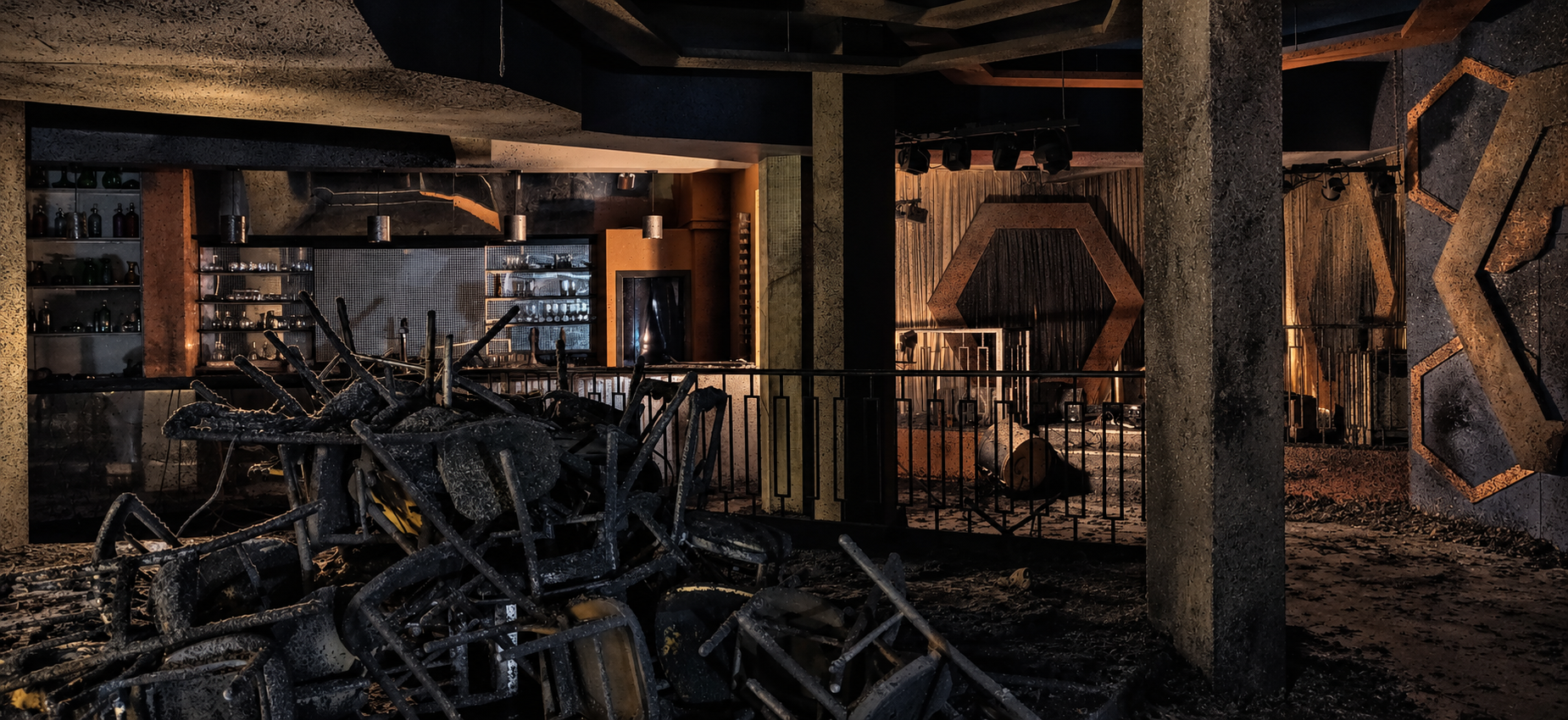
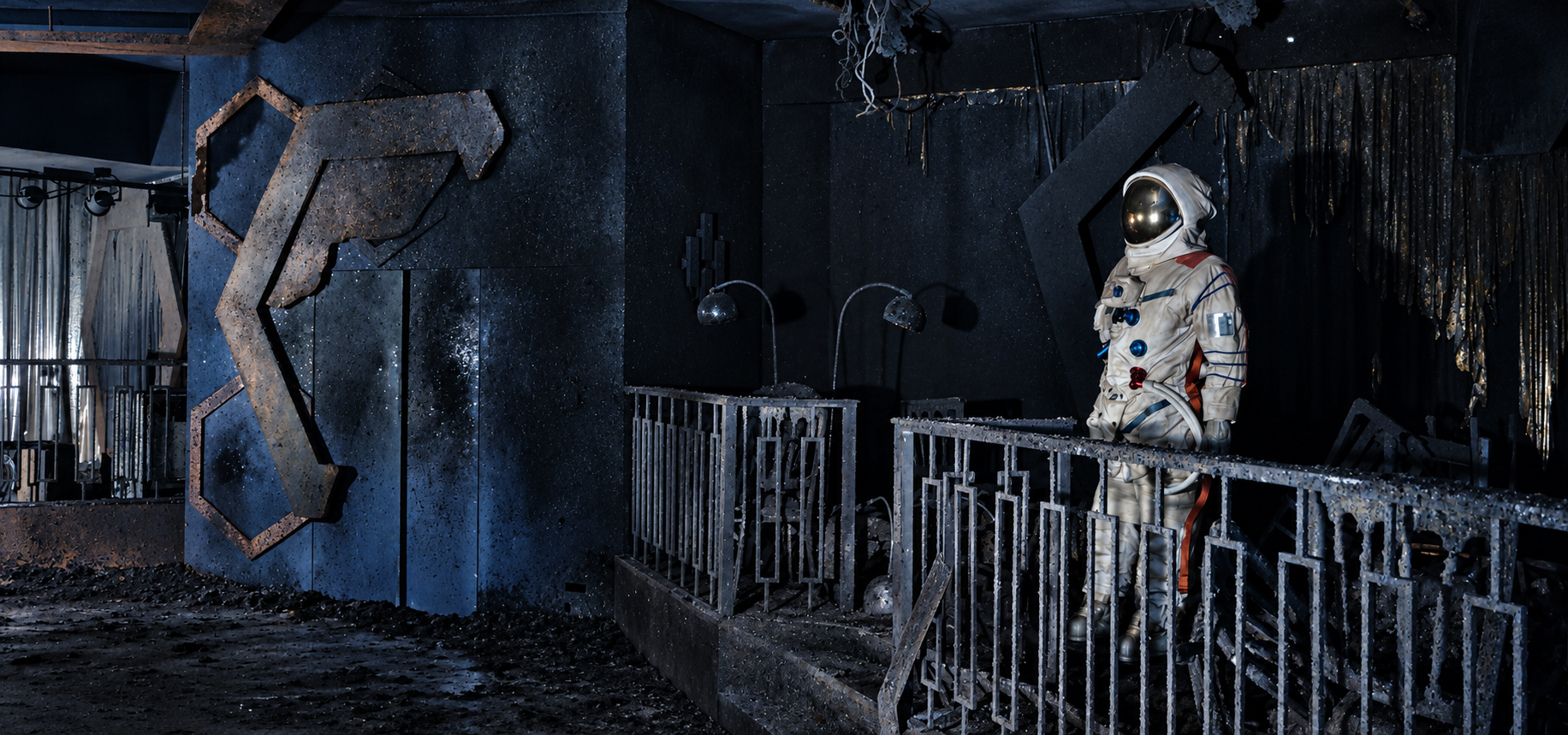
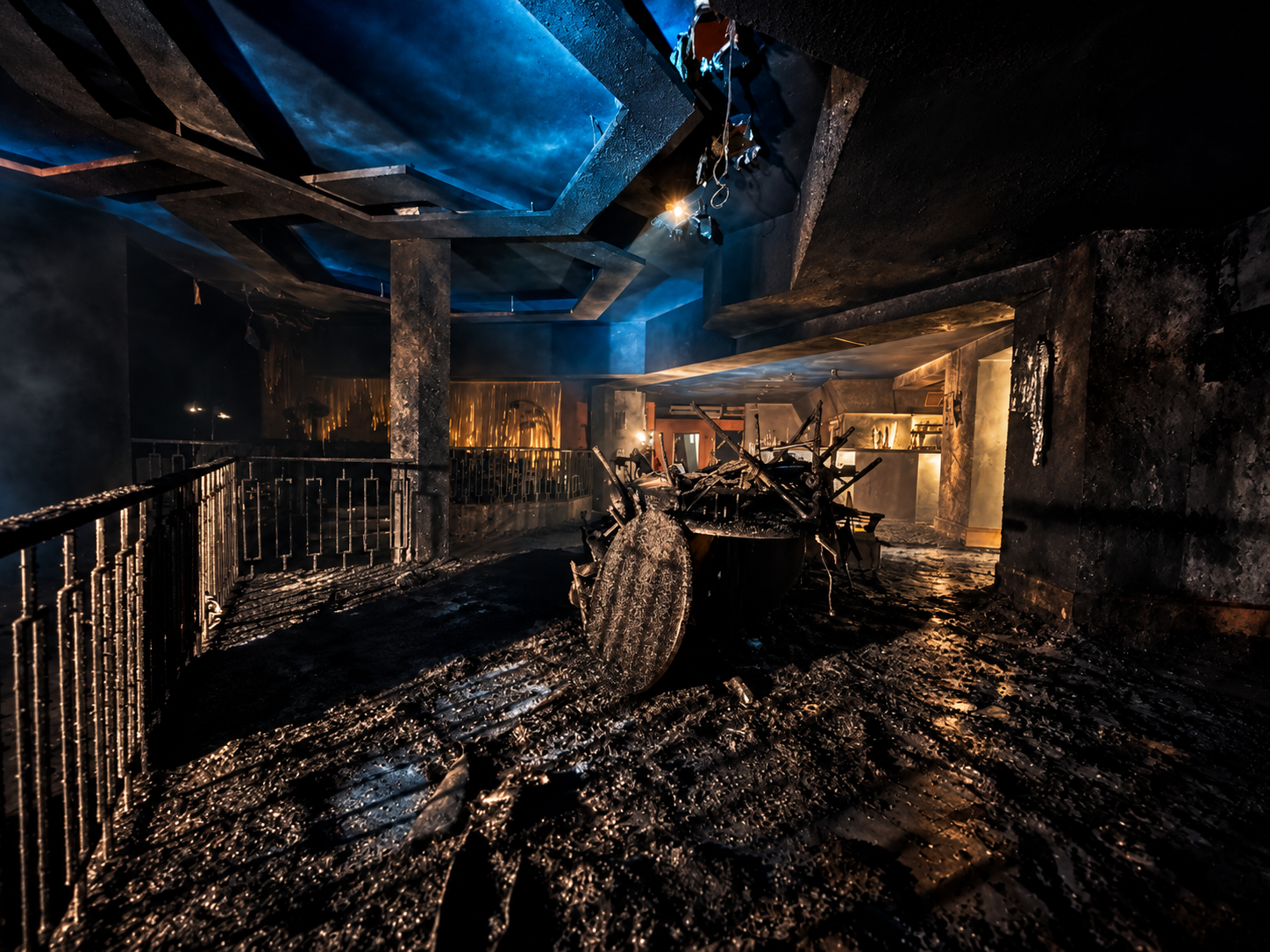
The challenge was to transform an intimate dance club into a burnt-out shell while preserving enough of its identity for the audience to recognise what had been lost.
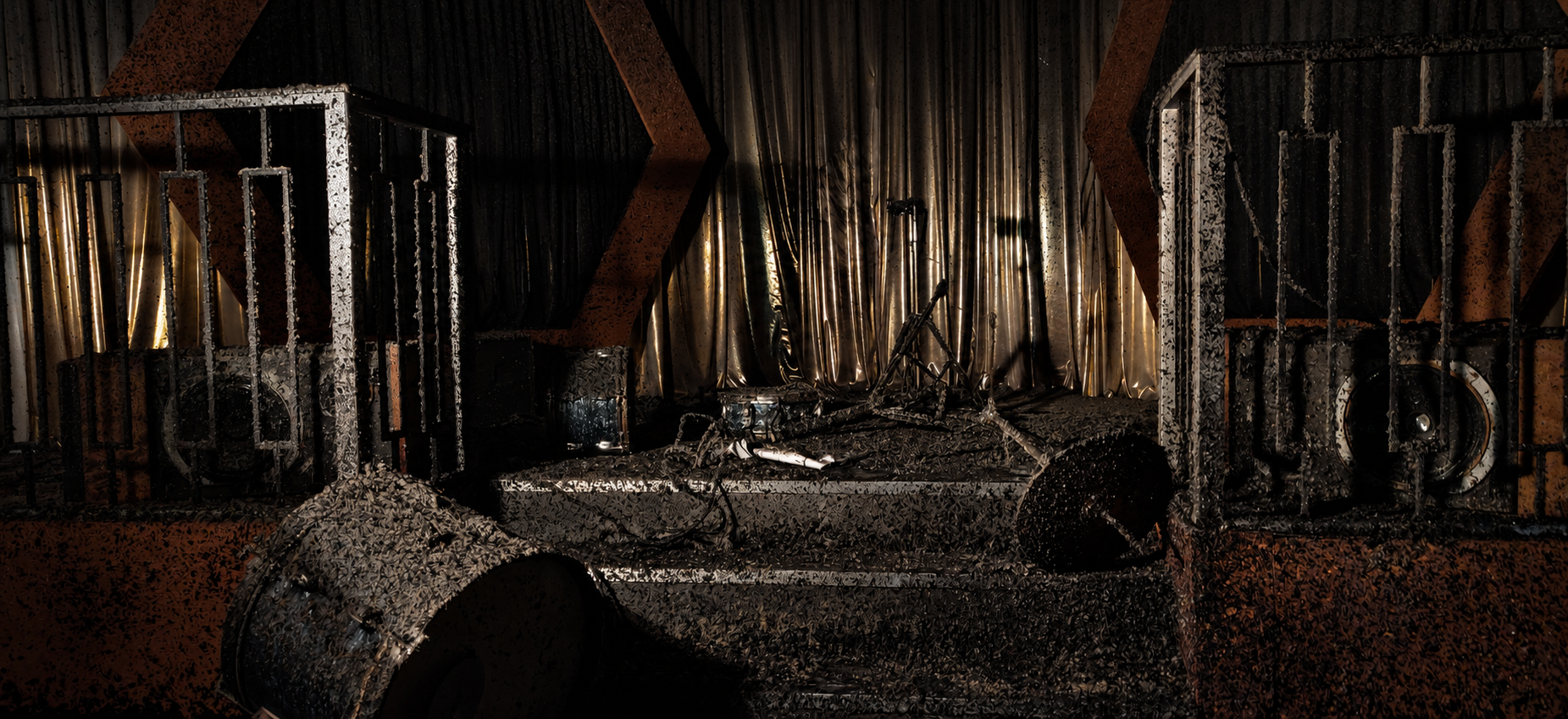
As the audience never actually encountered the original club intact, the destruction had to be carefully considered. A realistically devastating fire might have erased everything that made the venue recognisable. Instead, the damage was deliberately selective, revealing the architecture and decorative language of the original club through its remains.
The hexagonal features, once symbols of space-age optimism, were broken and distorted. Drapes, furniture and decorative surfaces were blackened, collapsed or reduced to debris, while other elements remained sufficiently intact to suggest the environment that had existed before.
The destruction also had to accommodate the practical demands of filming and the subsequent rebuilding of the venue. What appeared to be a chaotic aftermath was therefore a carefully designed and controlled environment.
In narrative terms, the fire marked the end of the original Moonlite. In design terms, it became the turning point between two very different cultural identities, making way for the club's reinvention as a live music venue.
Transformation | Design and Logistics
Although Moonlite was conceived as a film set, its creation was also an exercise in transforming and repurposing an existing building.
The location was an abandoned nightclub in the heart of Walsall, its fabric severely compromised by flooding, mould and previous fire damage. Before any design work could be realised, the building required substantial preparation, making safe and construction work to create a usable environment.
The challenge extended beyond creating two distinct club interiors. Each needed its own identity, reflecting the characters, the period and the changing cultural landscape of the story. At the same time, both had to be conceived within the same physical structure, with the practical demands of construction, filming, destruction and rebuilding considered from the outset.
Design and logistics had to develop hand in hand. The transformation was not simply a change of appearance, but a carefully planned sequence in which one environment would give way to another.
The fire became the symbolic turning point, both within the narrative and in the physical transformation of the space. From the destruction of the original Moonlite emerged a new venue, with a different purpose, identity and energy.