CODE 404
production design / World building
Set in a near future where experimental technology can bring the dead back to life, Code 404 follows a police officer resurrected after being killed in the line of duty. The series combines science fiction, police procedural and absurdist comedy, exploring a world in which technological progress has outpaced human behaviour.
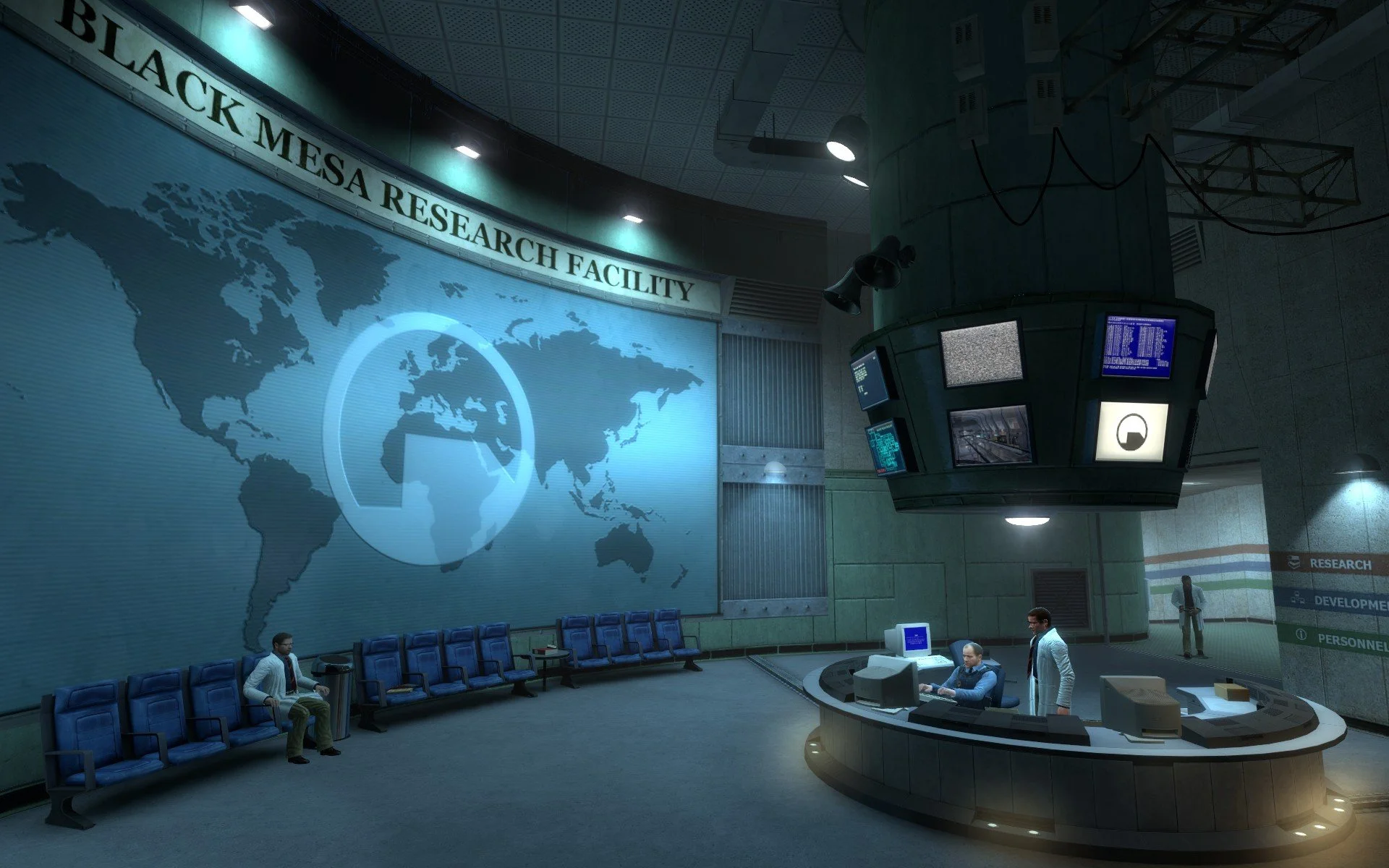
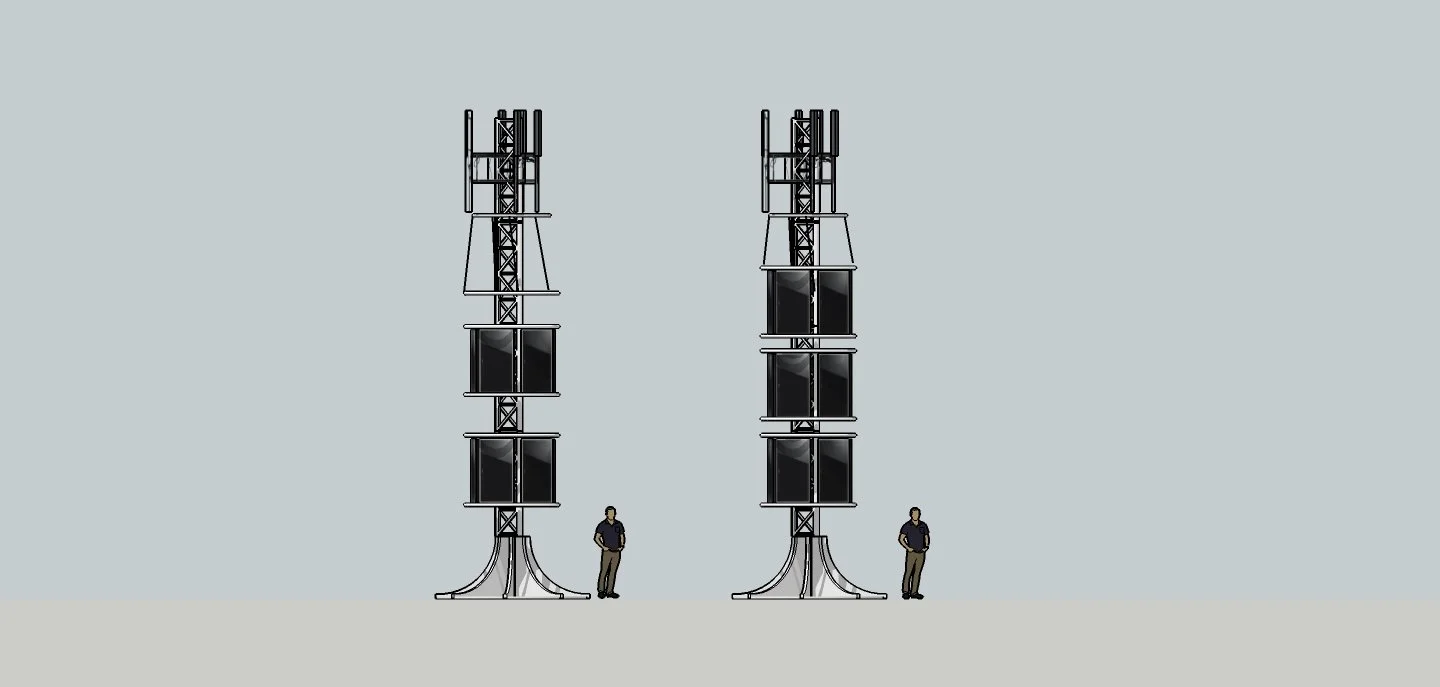
The production design sought to establish a credible, recognisable future rather than a conventional science-fiction environment. Drawing on retro-futurism, post-war architecture and emerging technologies, the visual concept was developed around a central spatial principle: a predominantly underground world with controlled horizons.
Keeping to a rule of low horizons was a necessity as well as a creative decision as the hight concept yet low budget nature of the project demanded a controlled environment and rules we could work within. This opened up possibilities in regards to choice of location and architecture.
The world
The rules
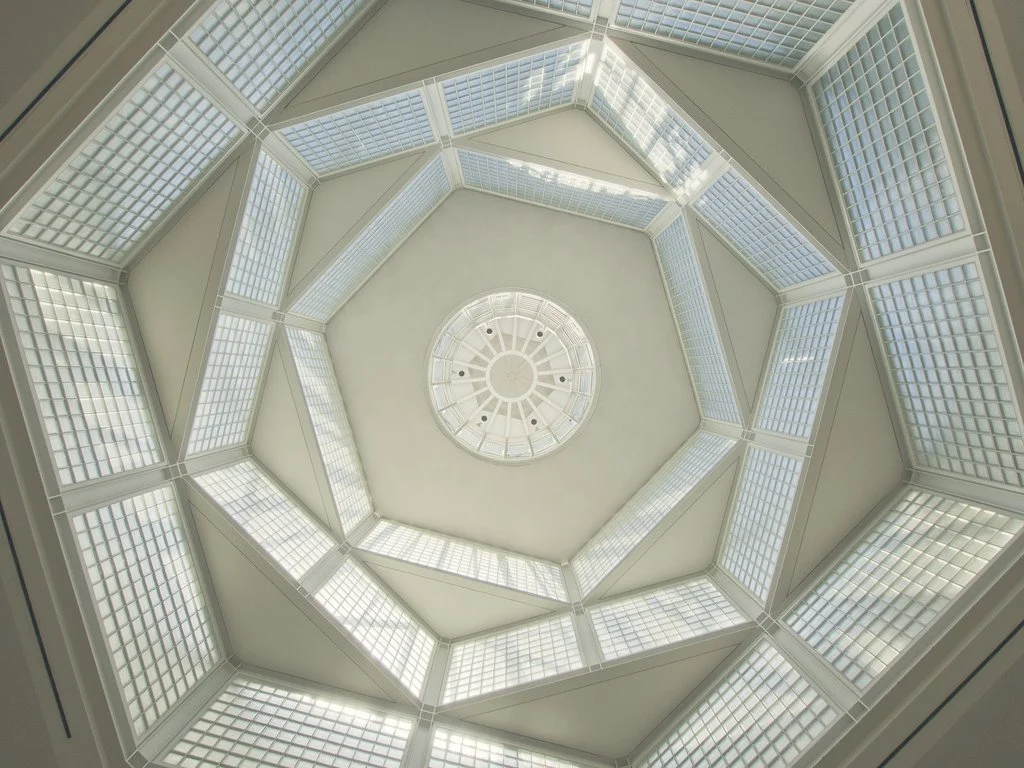
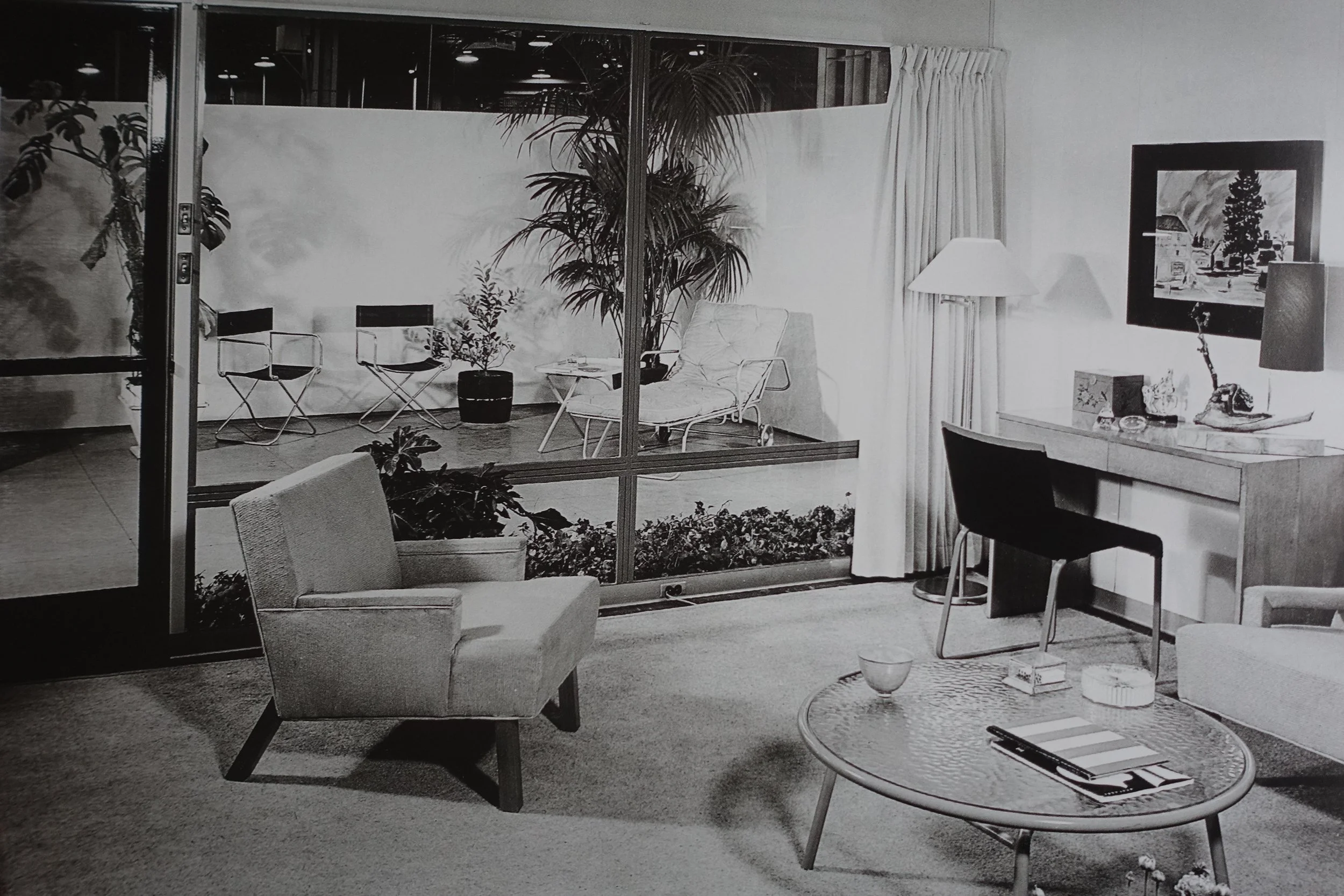
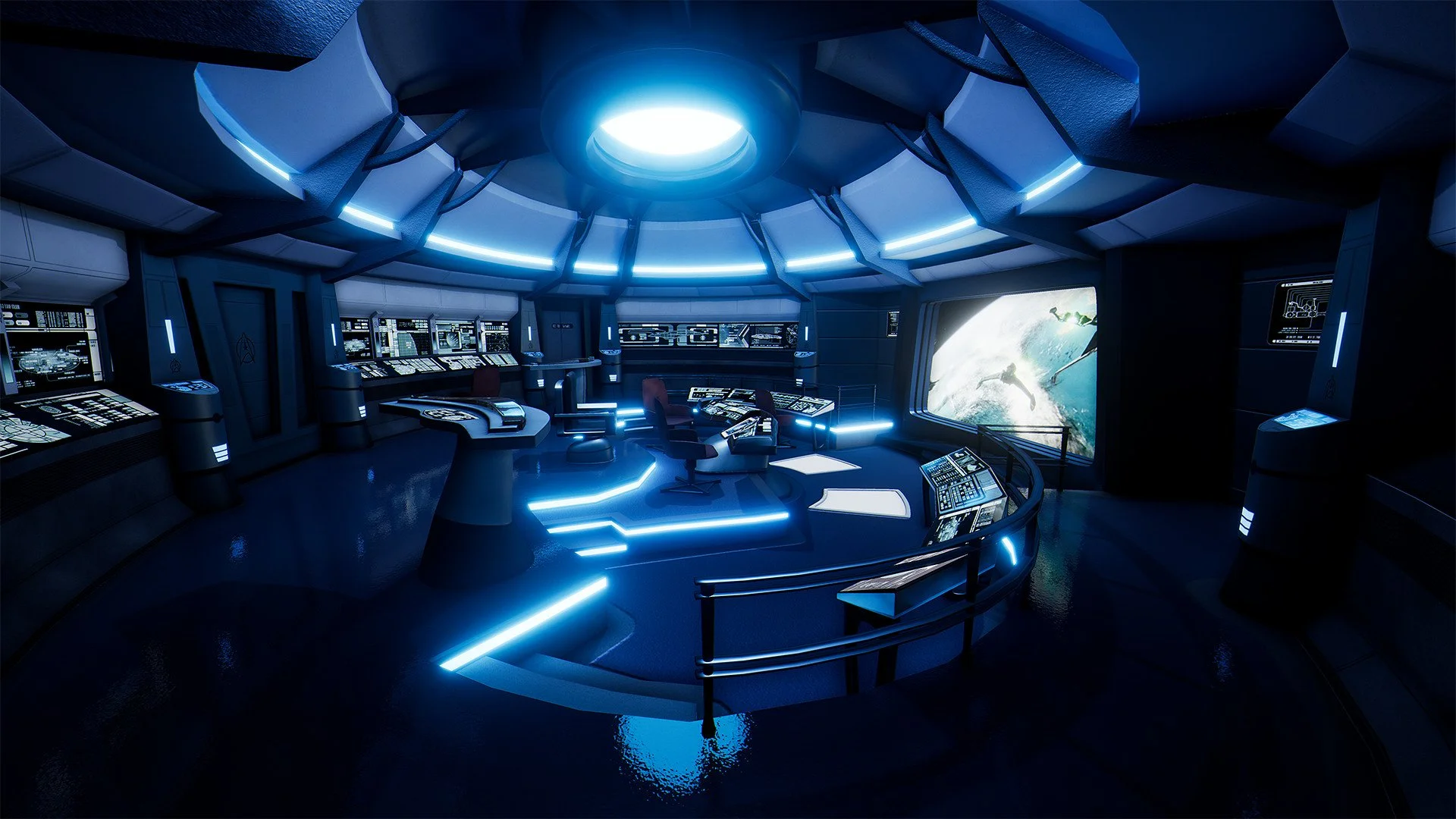
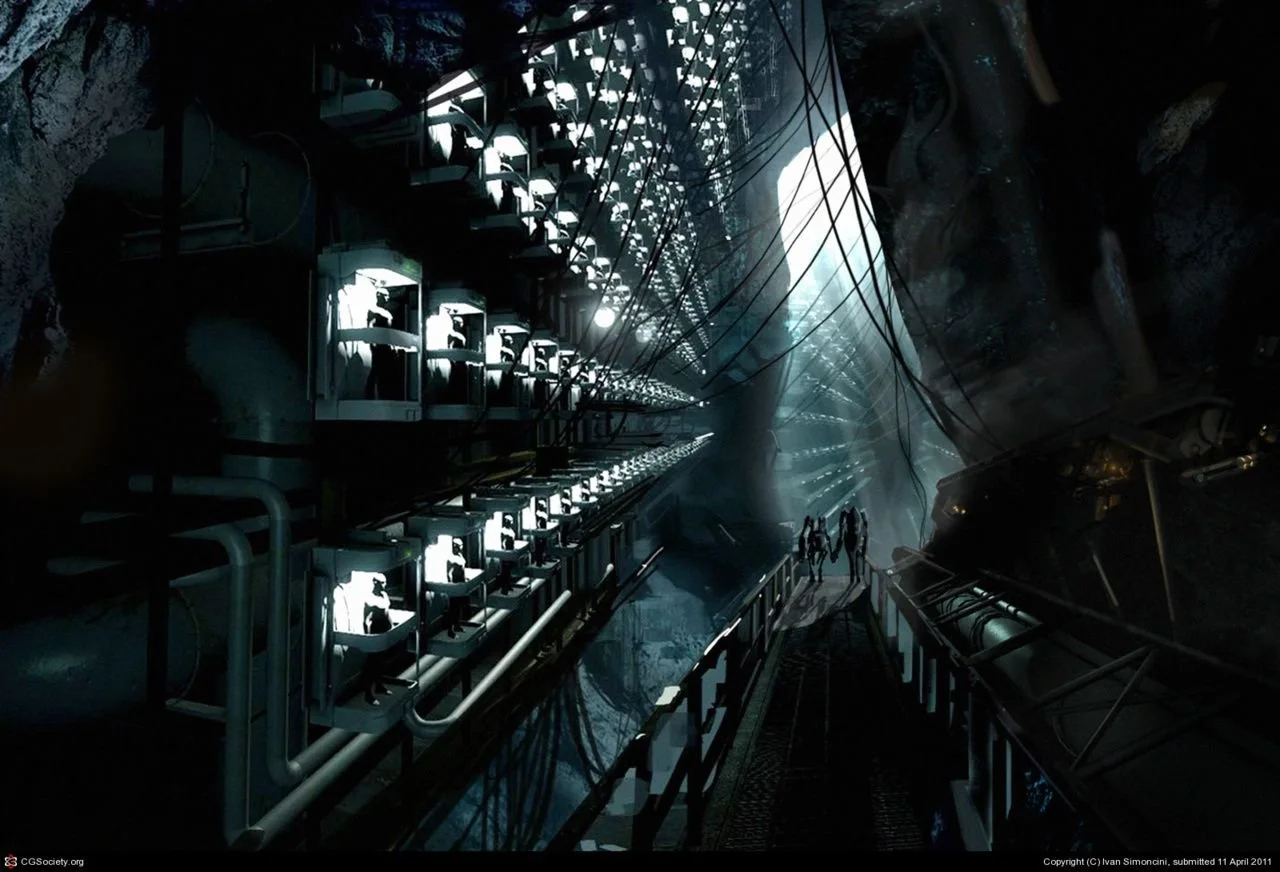
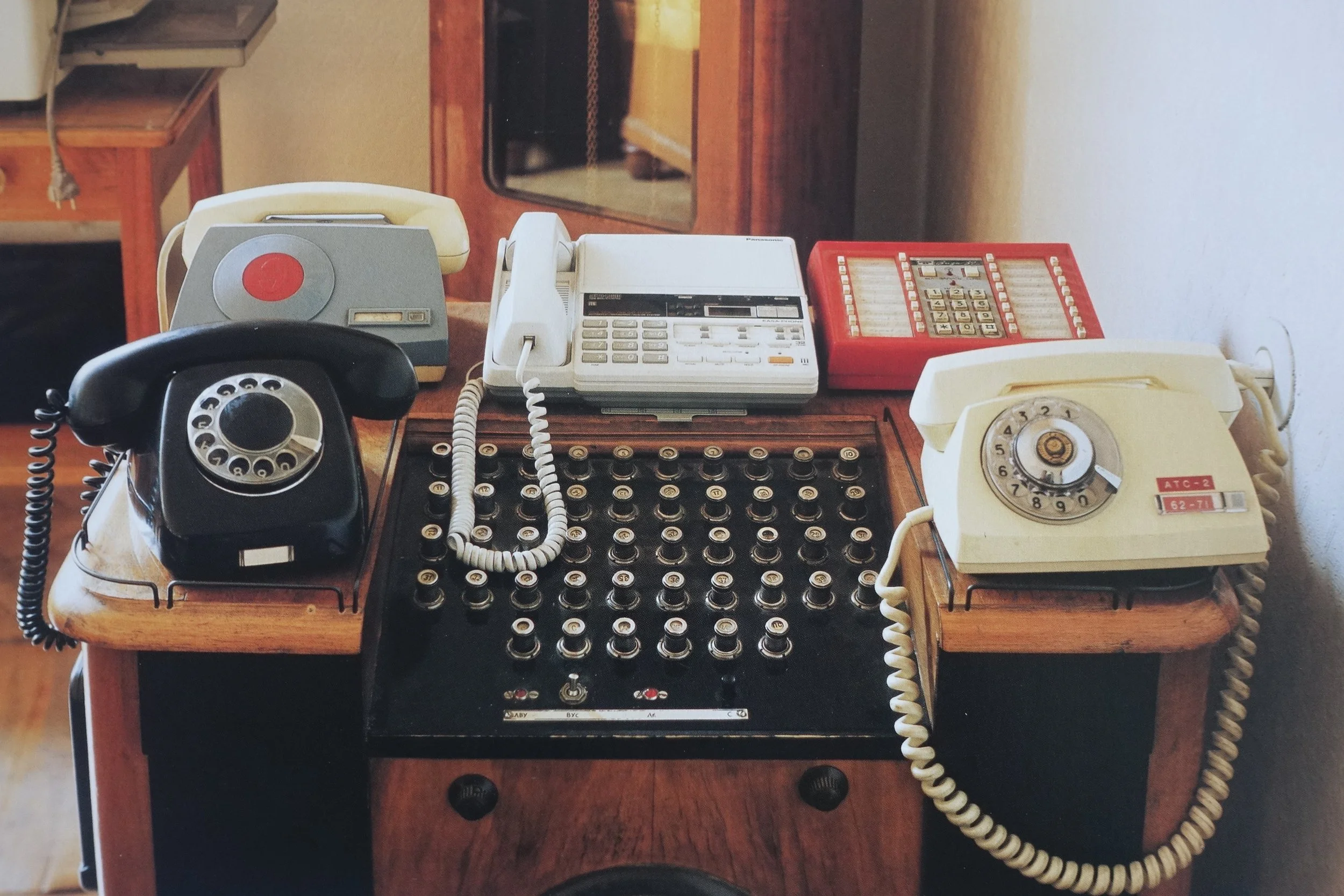
The visual language of Code 404 emerged from a combination of 1950s and 1960s space-age optimism, retro-futurism and the more exaggerated science-fiction imagery of the 1980s and 1990s.
Rather than creating an unfamiliar futuristic environment, the aim was to construct a recognisable world that had evolved technologically while retaining much of its existing architecture and institutional character.
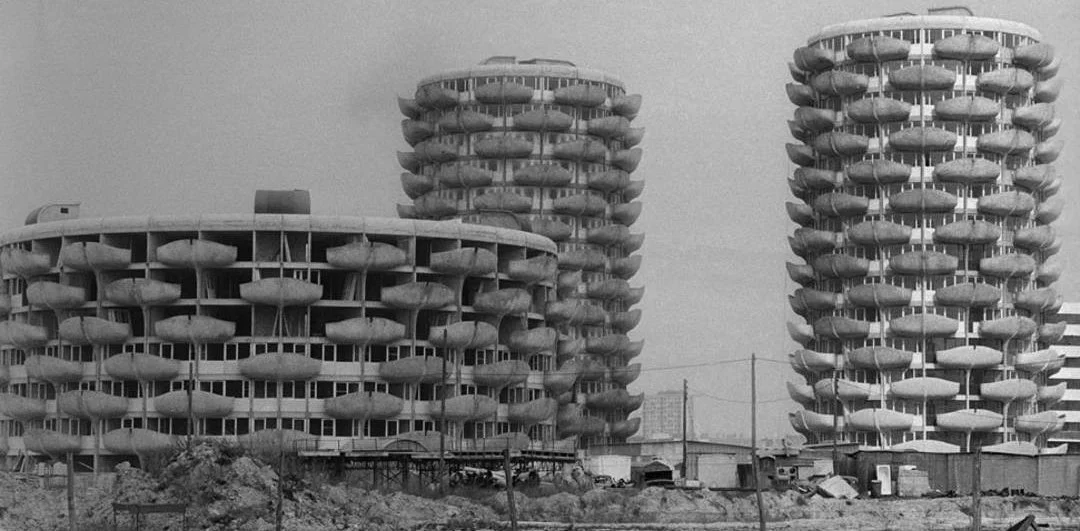
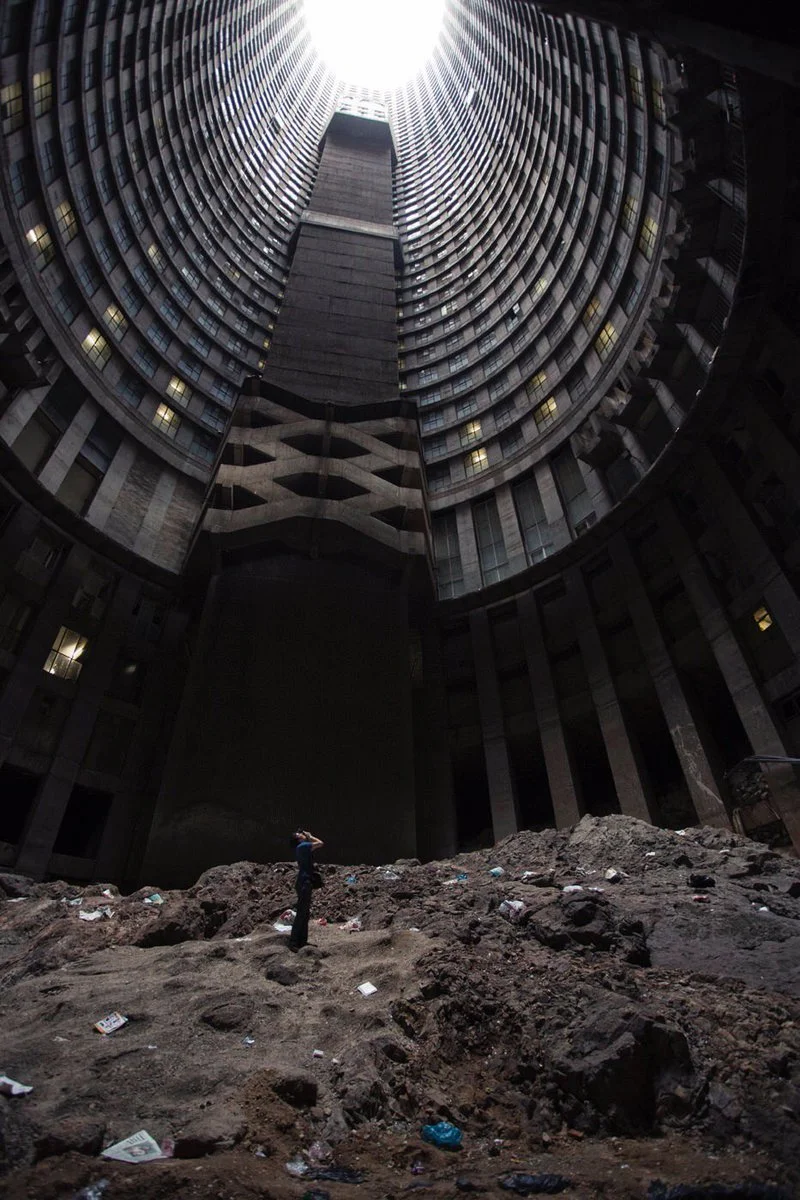
Post-war modernism, Brutalist architecture and emerging technologies became the foundations of a visual identity in which the familiar and the futuristic coexist. This contrast helped establish a believable near future, sophisticated enough to bring a person back from the dead, yet still inhabited by the same flawed and distinctly human characters.
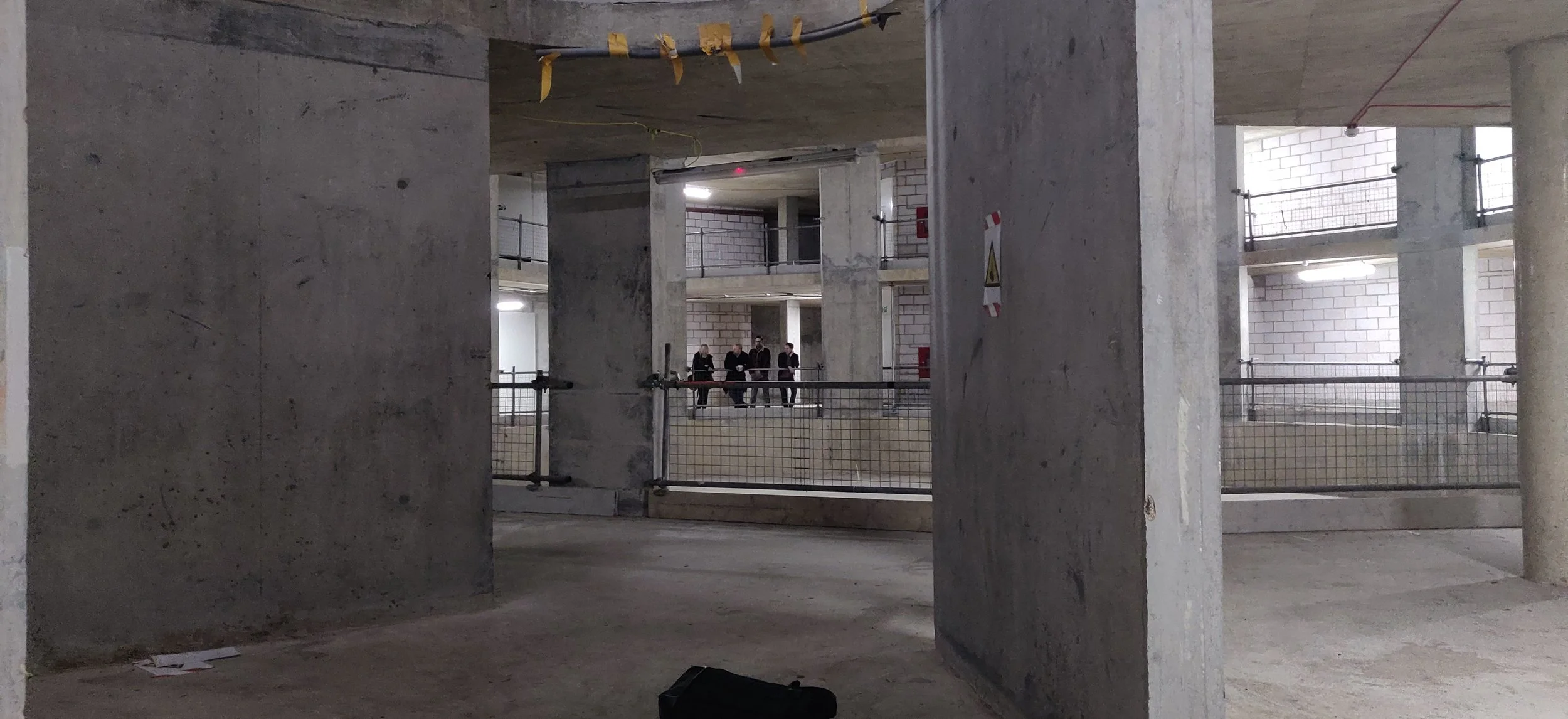
The central design principle was simple: stay underground and keep the horizon low.
This approach served both a narrative and a practical purpose. By limiting views of the outside world, the environments developed a subtly enclosed, almost claustrophobic atmosphere, reinforcing the sense of a familiar yet slightly altered reality.
Equally importantly, controlling sightlines allowed us to suggest a much larger futuristic world without having to build or digitally recreate it. What began as a budgetary necessity became a defining element of the production's visual identity.
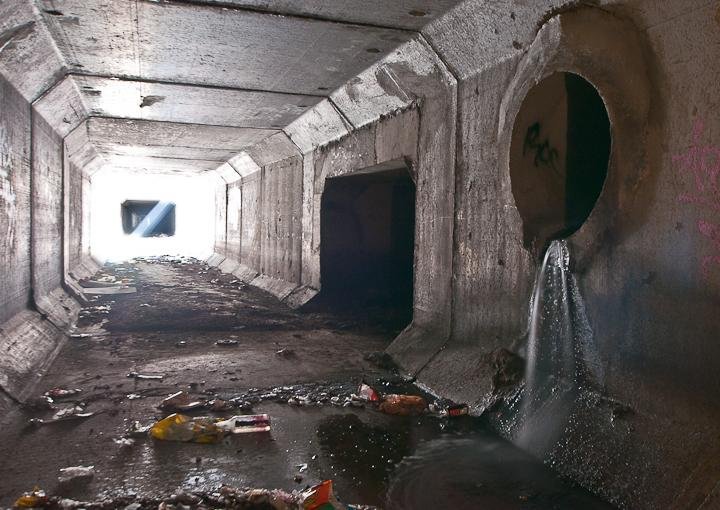
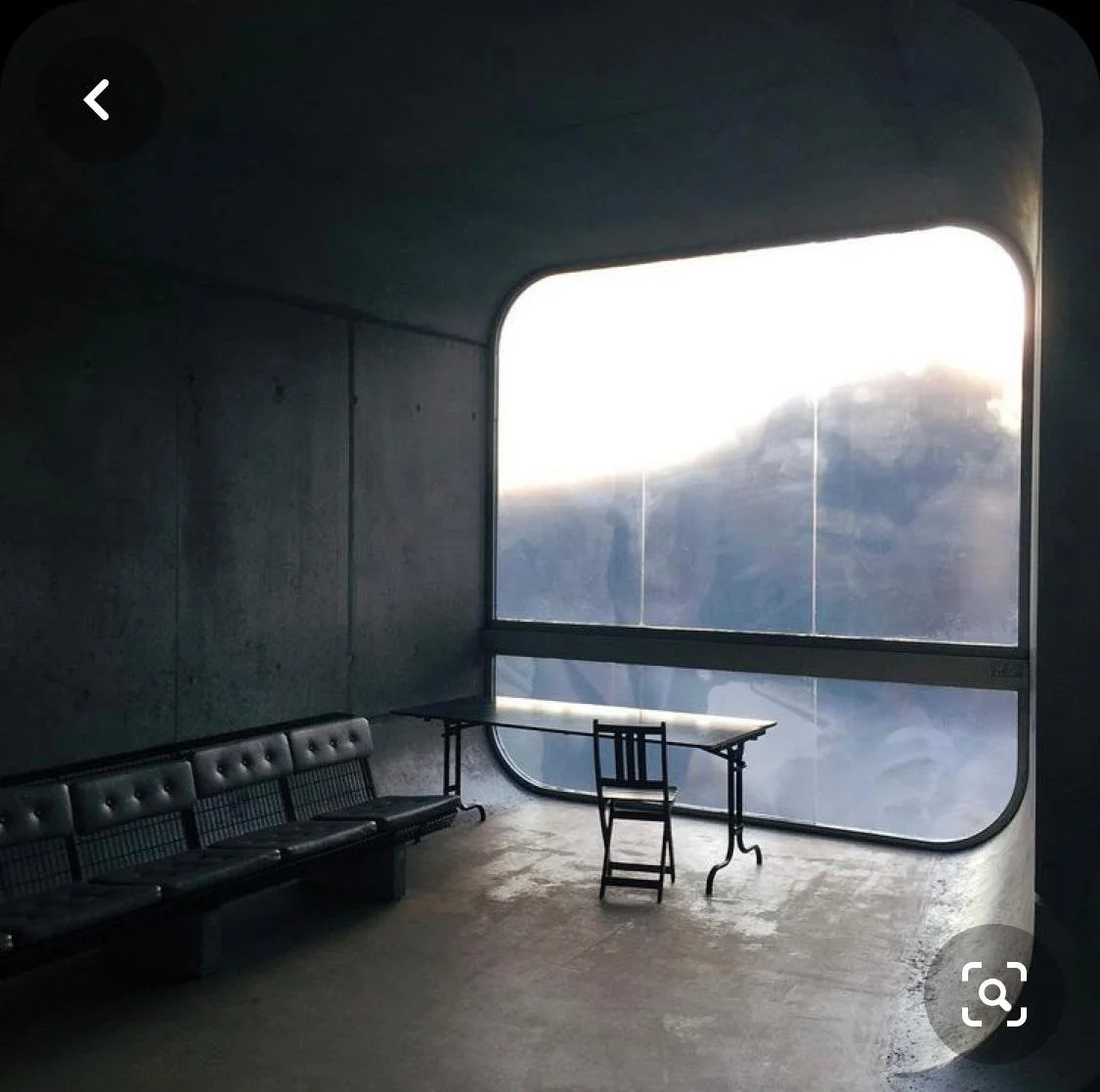
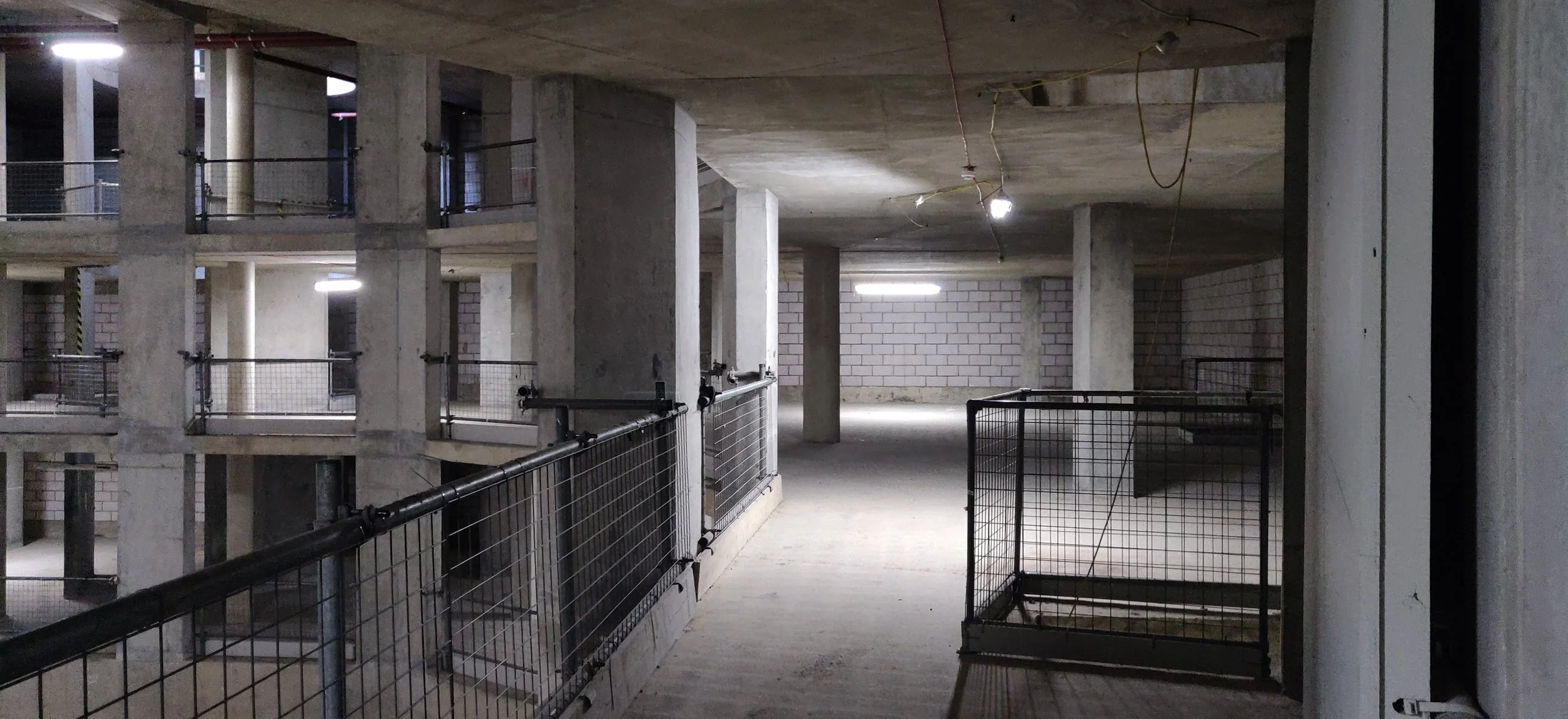
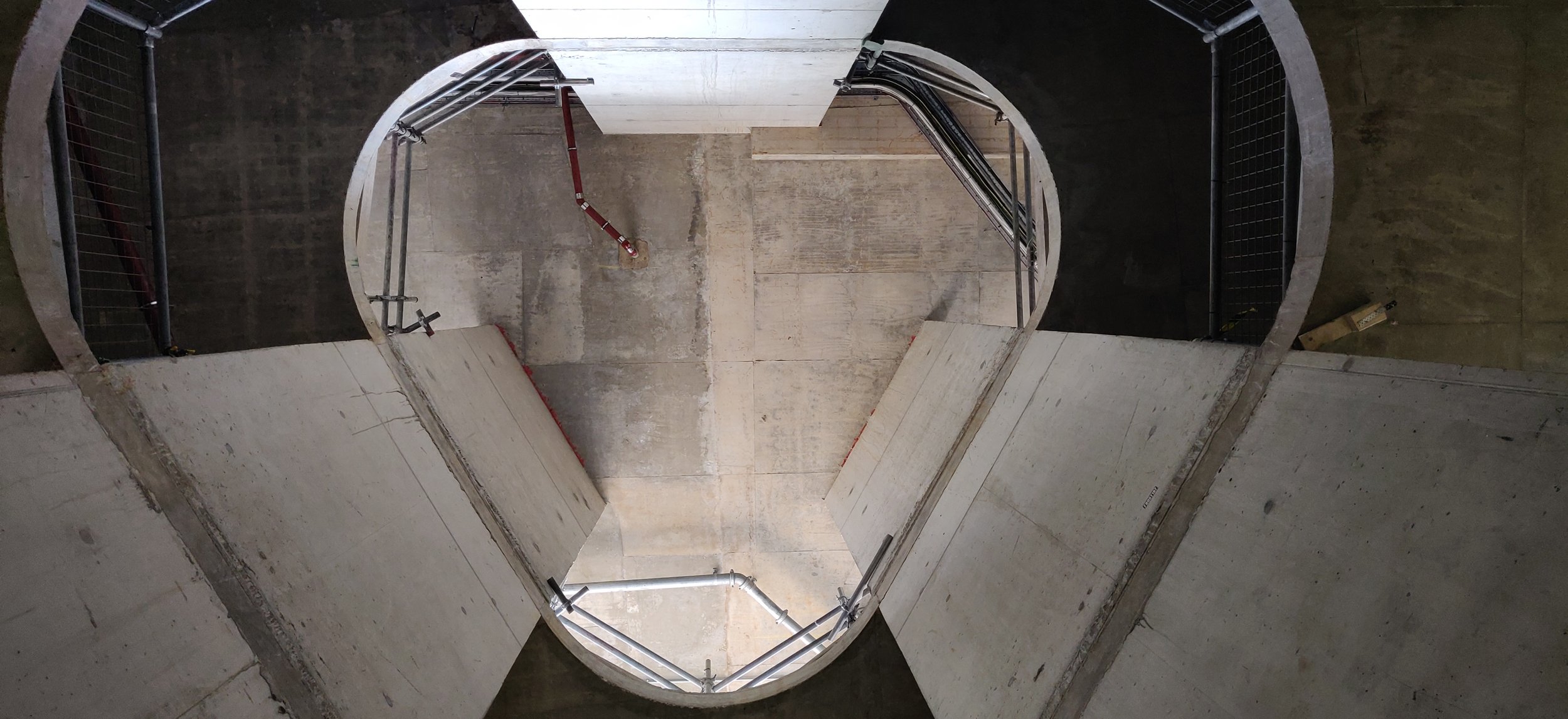
These rules also guided the location strategy. We favoured Brutalist architecture, post-war institutional buildings and prefabricated structures from the 1950s and 1960s. Their heavy concrete forms, enclosed spaces and limited external views provided a natural extension of the design language. Existing locations could then be adapted and transformed, allowing the fictional world to expand without losing its architectural coherence or exceeding the available budget.
VEHICLES
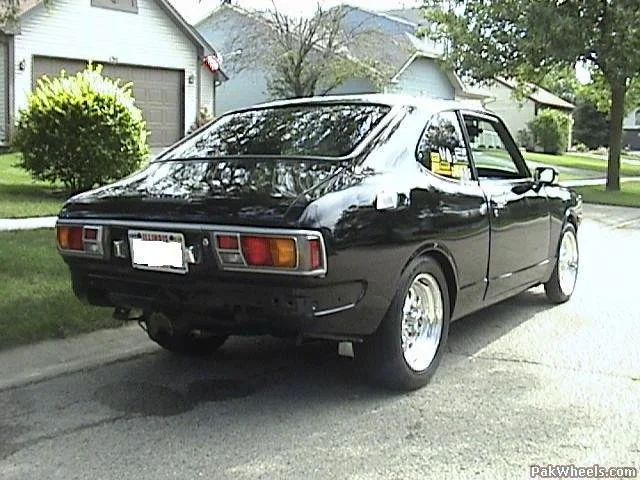
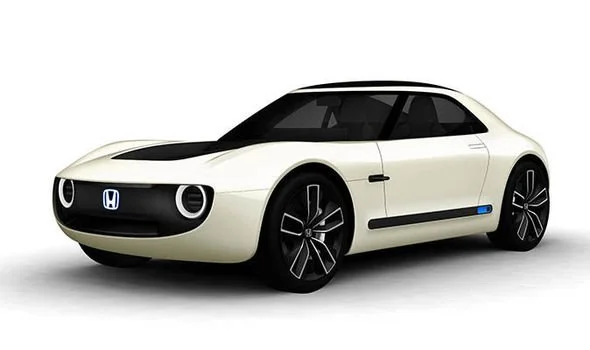
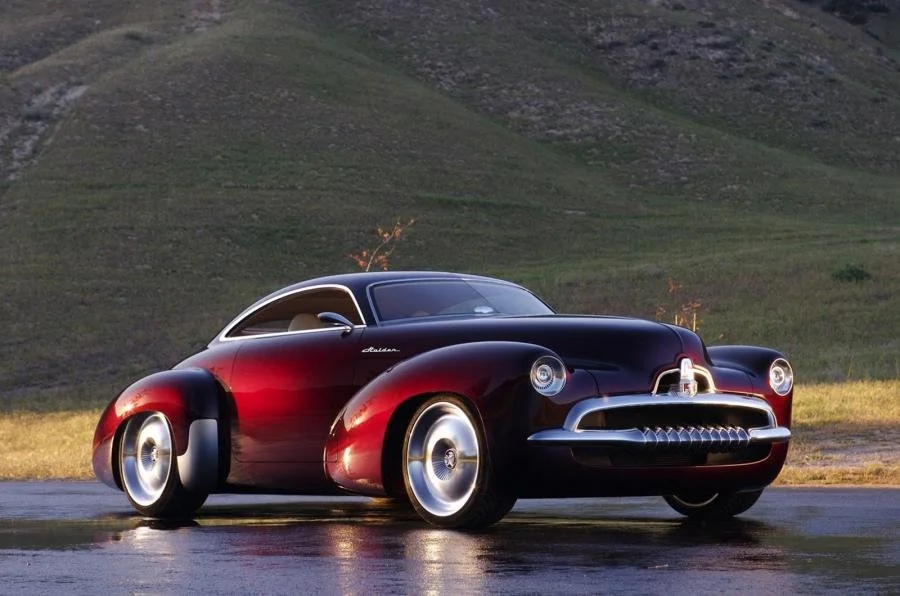
The vehicle selection followed the same retro-futurist approach, drawing on the bold, sculptural forms and technological optimism of 1950s and 1960s automotive design. Rather than imagining entirely new vehicles, the aim was to identify contemporary electric models that echoed these earlier design languages, blending nostalgic shapes with emerging technology. This helped create a recognisable yet subtly altered automotive landscape, reinforcing the idea of a future that had evolved from the past rather than replaced it.
DEVELOPING THE WORLD
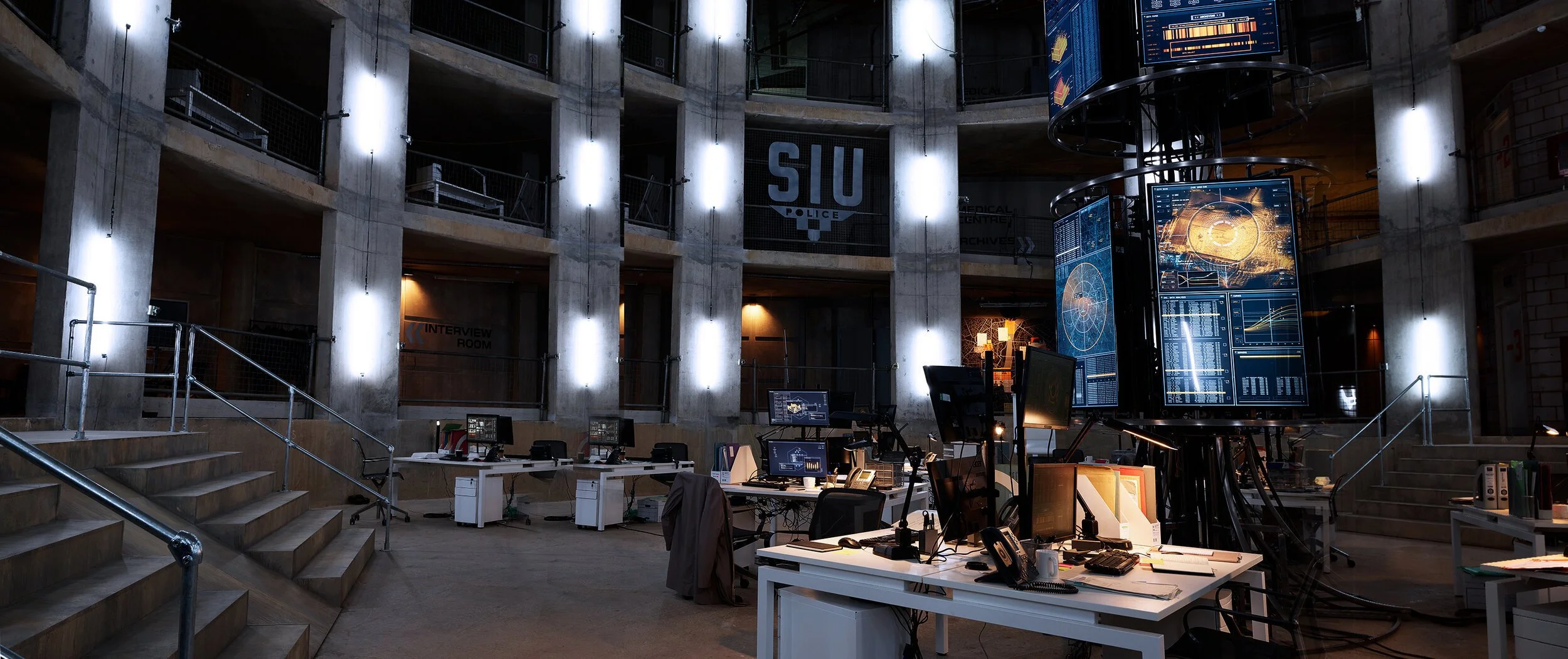
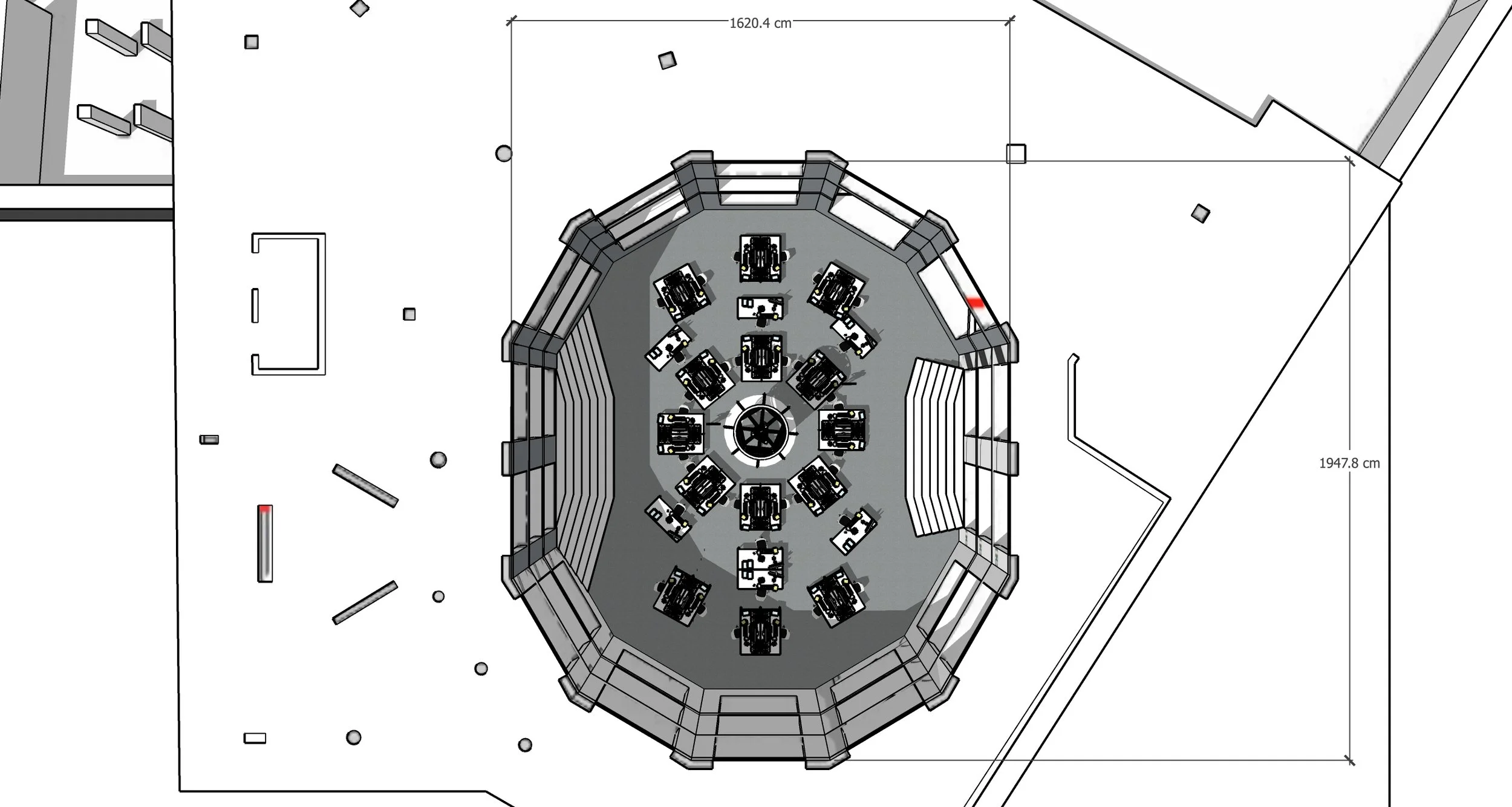
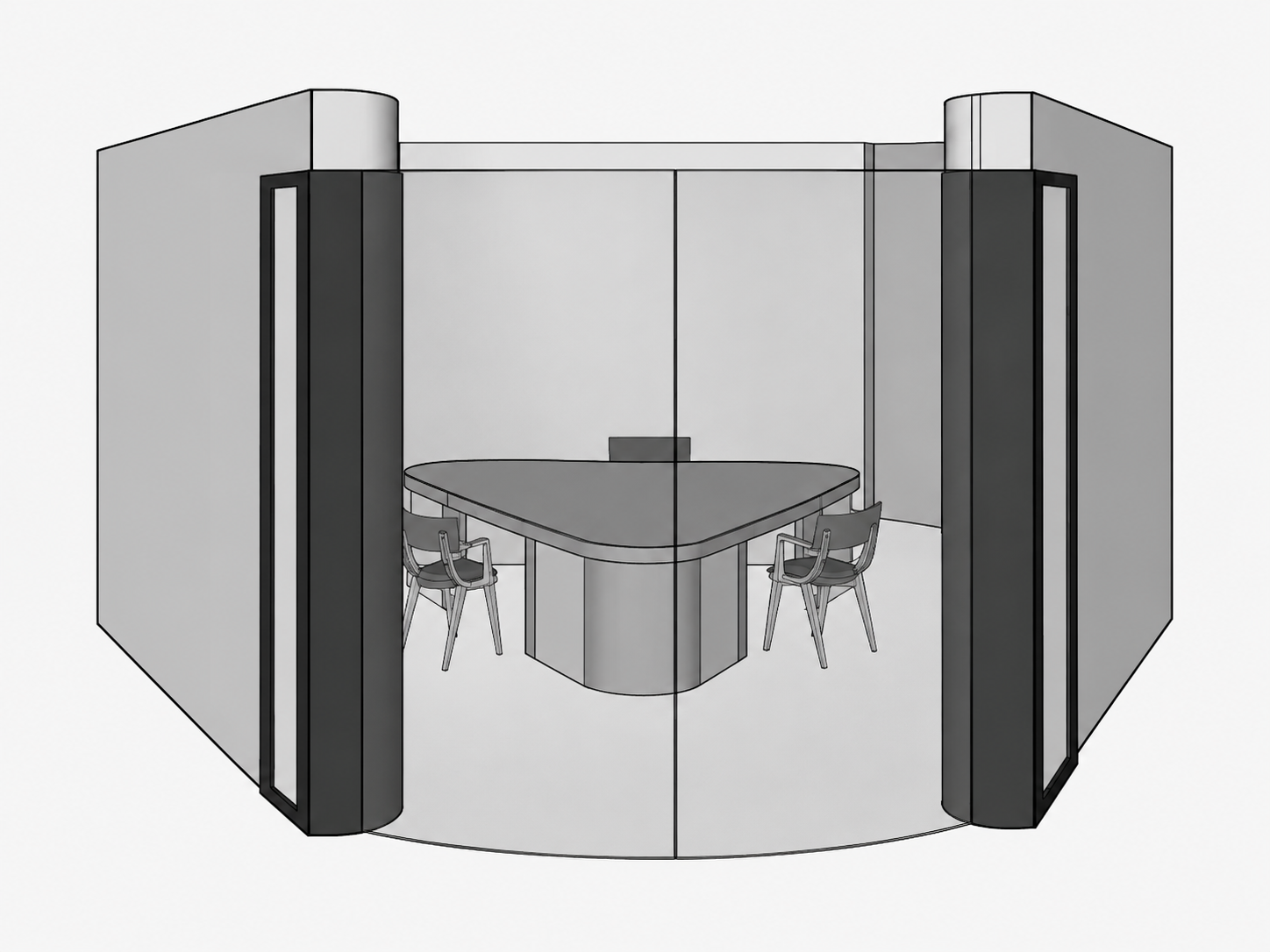
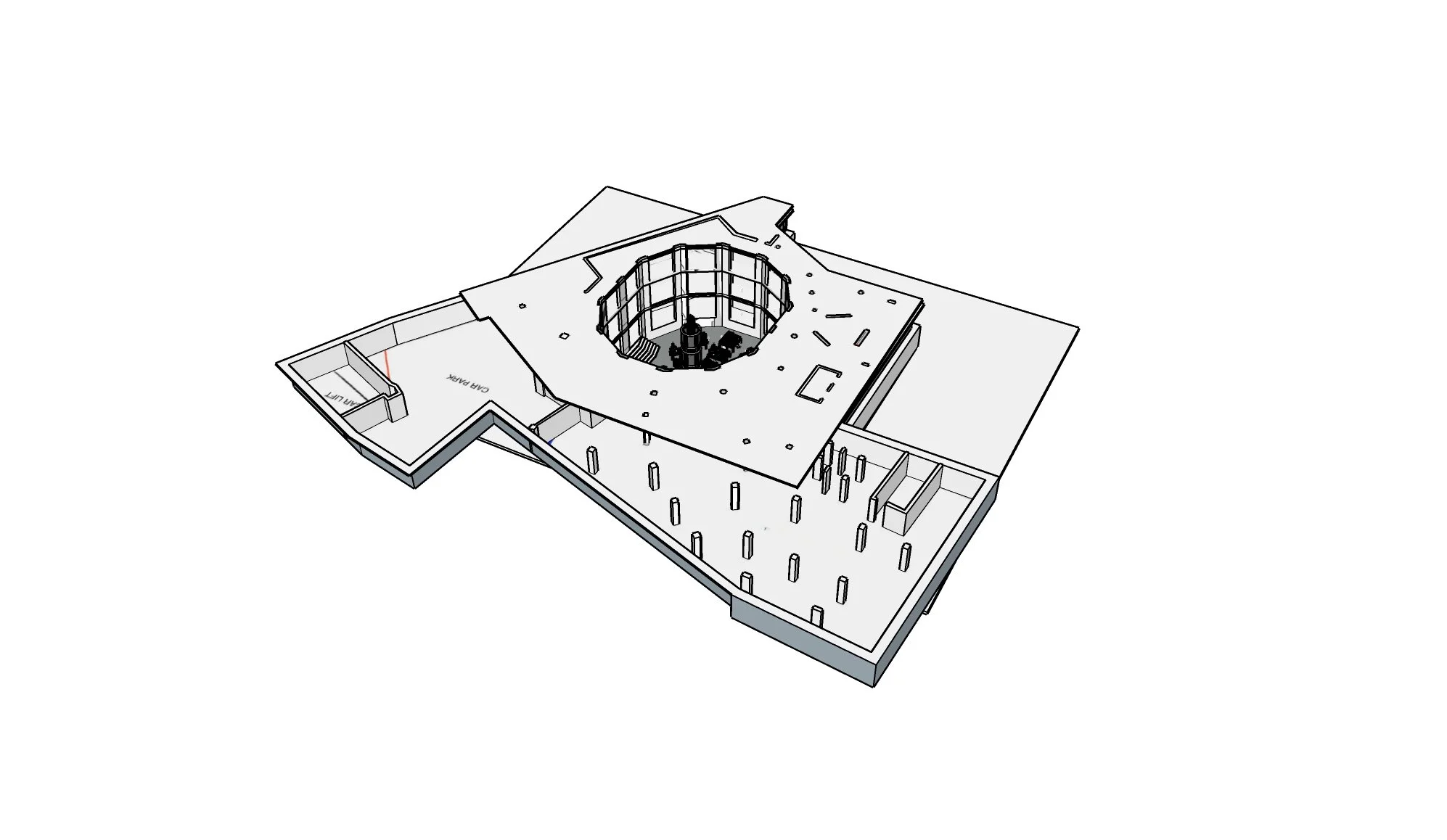
Location research and early design sketches developed alongside one another, exploring how existing environments could be transformed and how purpose-built sets could share the same visual identity. The police headquarters became the most substantial expression of this approach, combining monumental architectural forms with the functional requirements of a working police station.
Through drawings, spatial planning and the adaptation of existing locations, the initial concept gradually evolved into a coherent physical world.
GRAPHICS & VISUAL INTERFACES
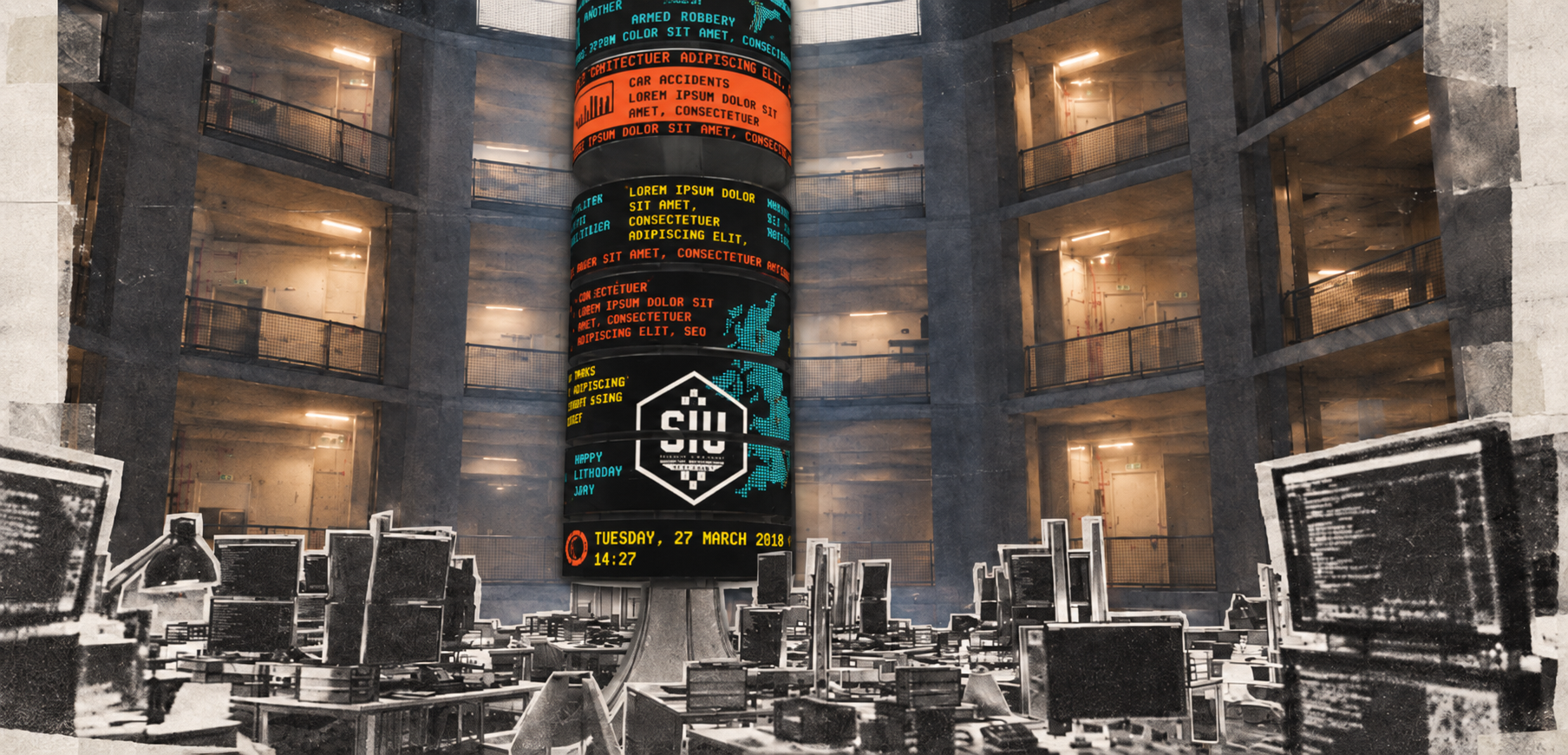
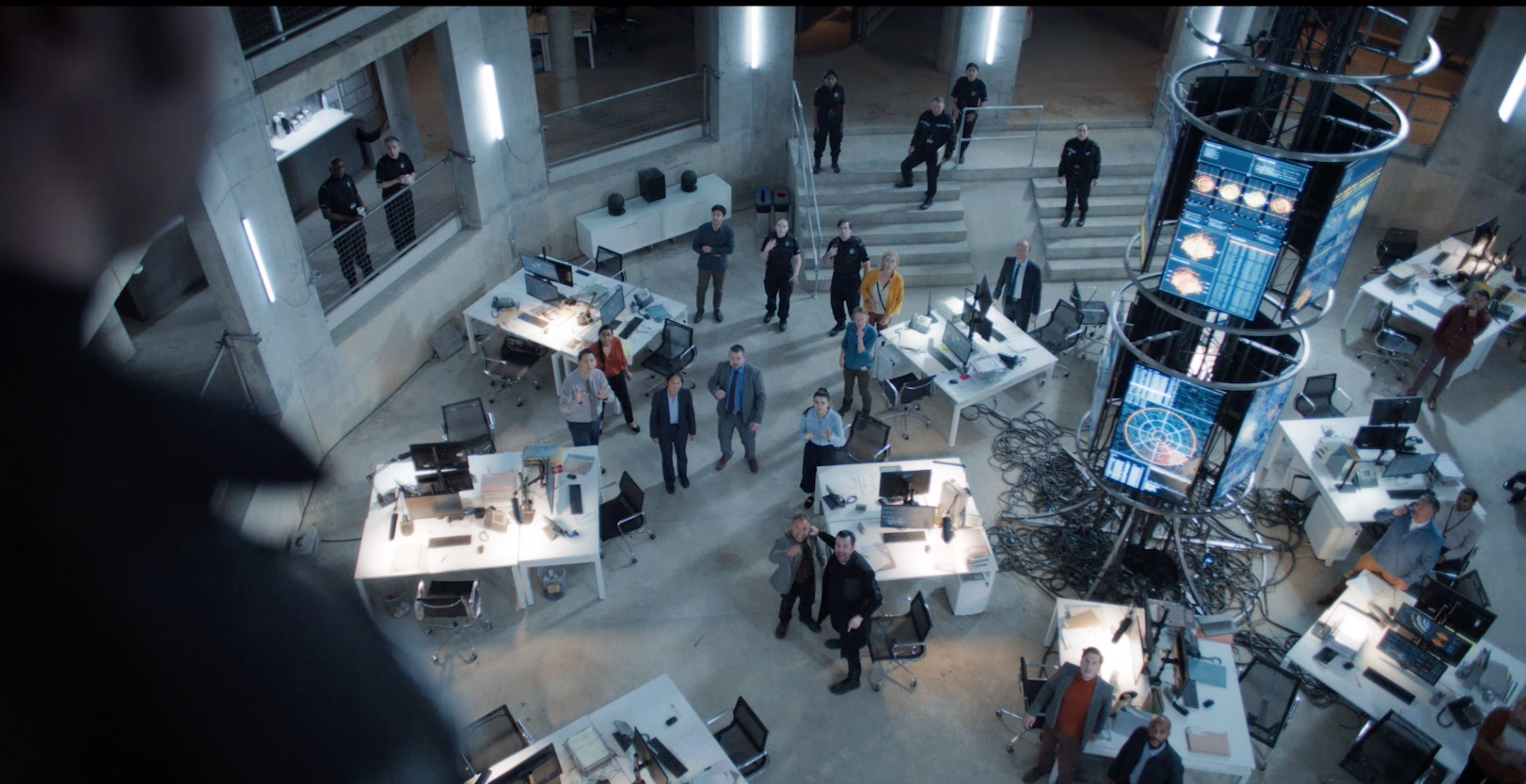
Working in collaboration with the specialist design studio Blind, we developed a visual language for the practical screens and digital interfaces throughout the production. These were particularly prominent in the SIU police headquarters, where the central information tree became a defining feature of the environment. Integrating the graphics into the physical sets was essential to creating a convincing technological world, with the screen content functioning not simply as decoration but as an integral part of the architecture and storytelling.
THE REALISED WORLD
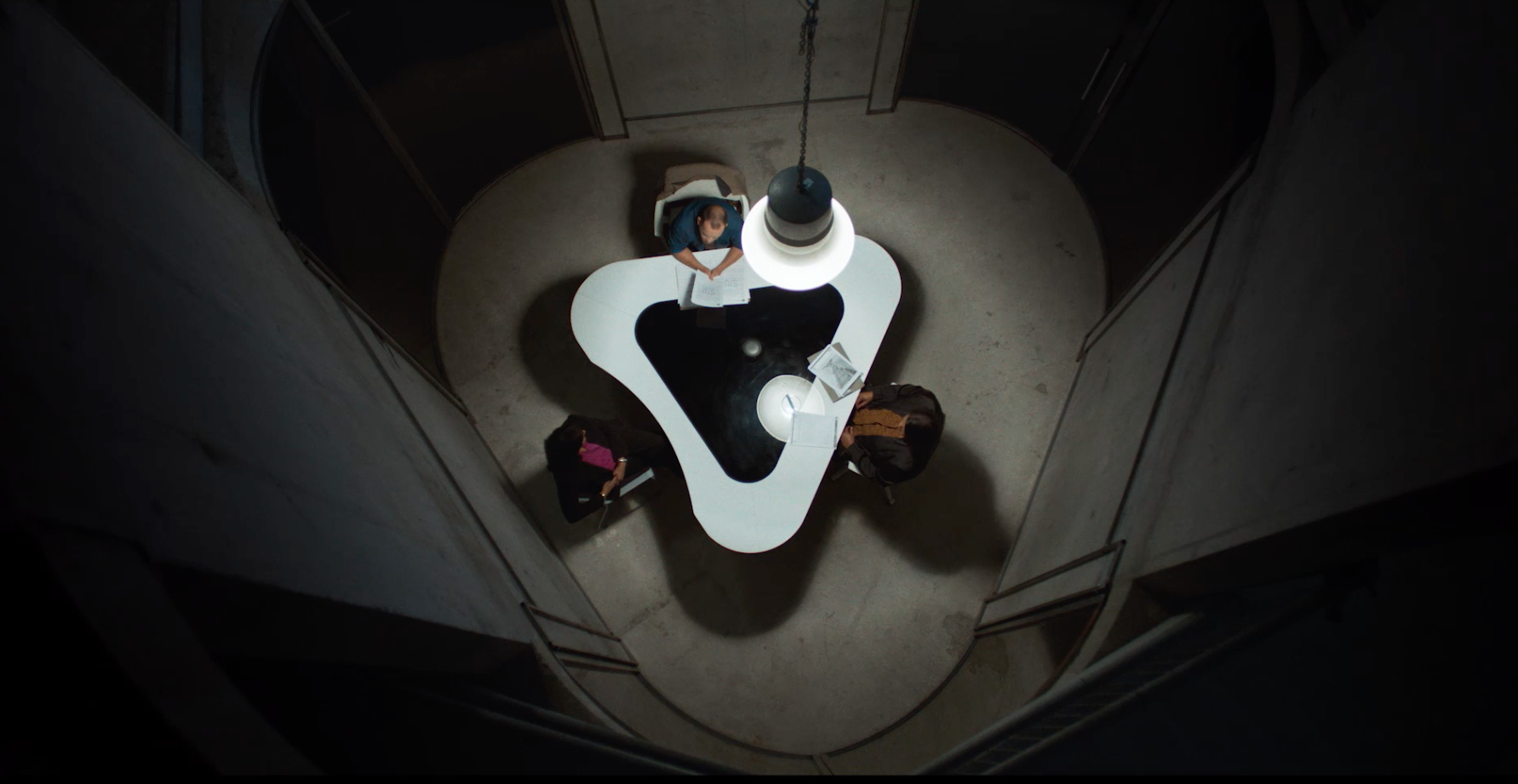
The finished environments brought together the architectural principles, technological research and visual language developed throughout the design process. From the monumental spaces of the SIU police headquarters to the smaller, more intimate settings, each environment contributed to a coherent and recognisable near future, balancing the familiar with the unexpected.
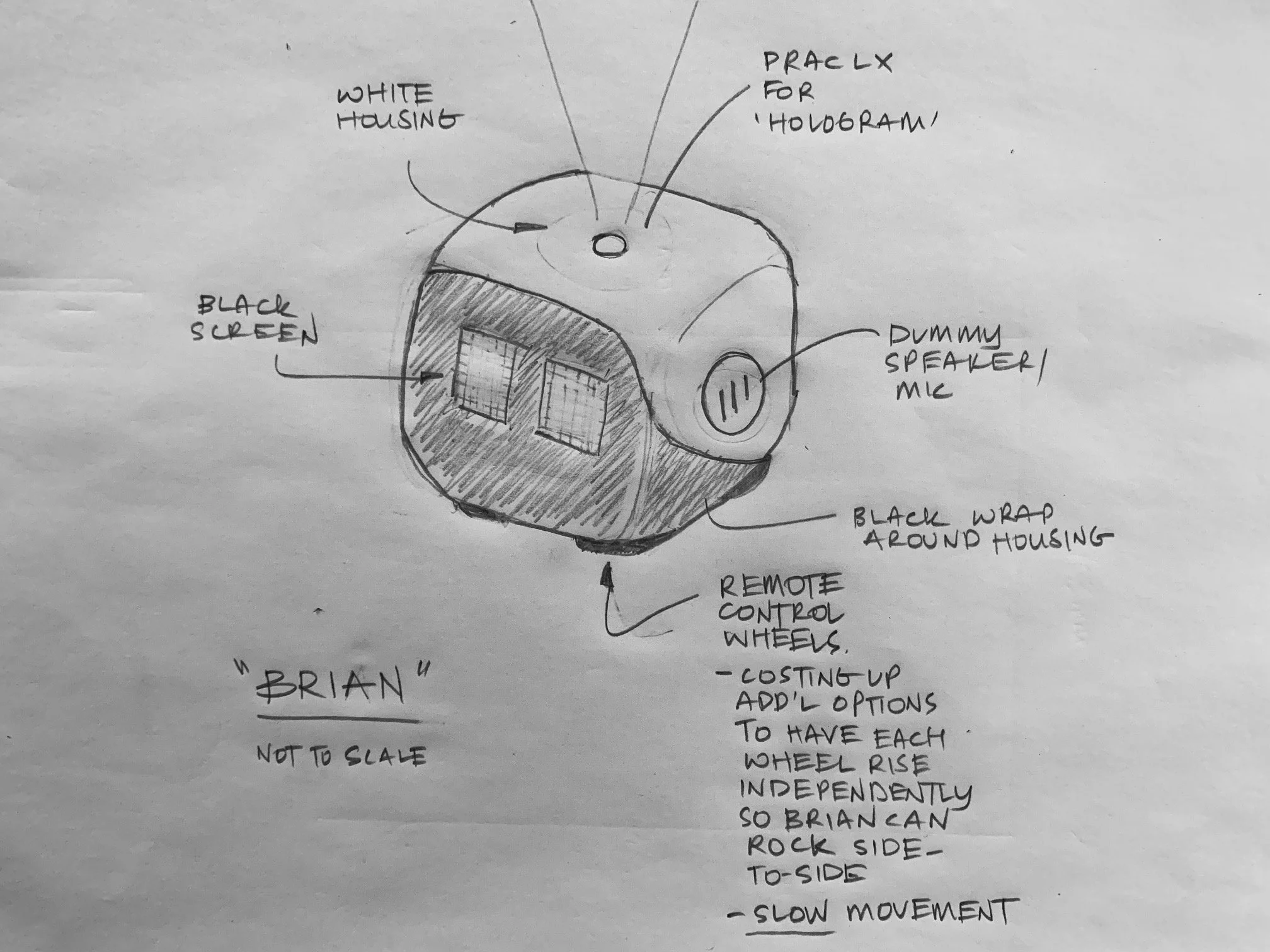
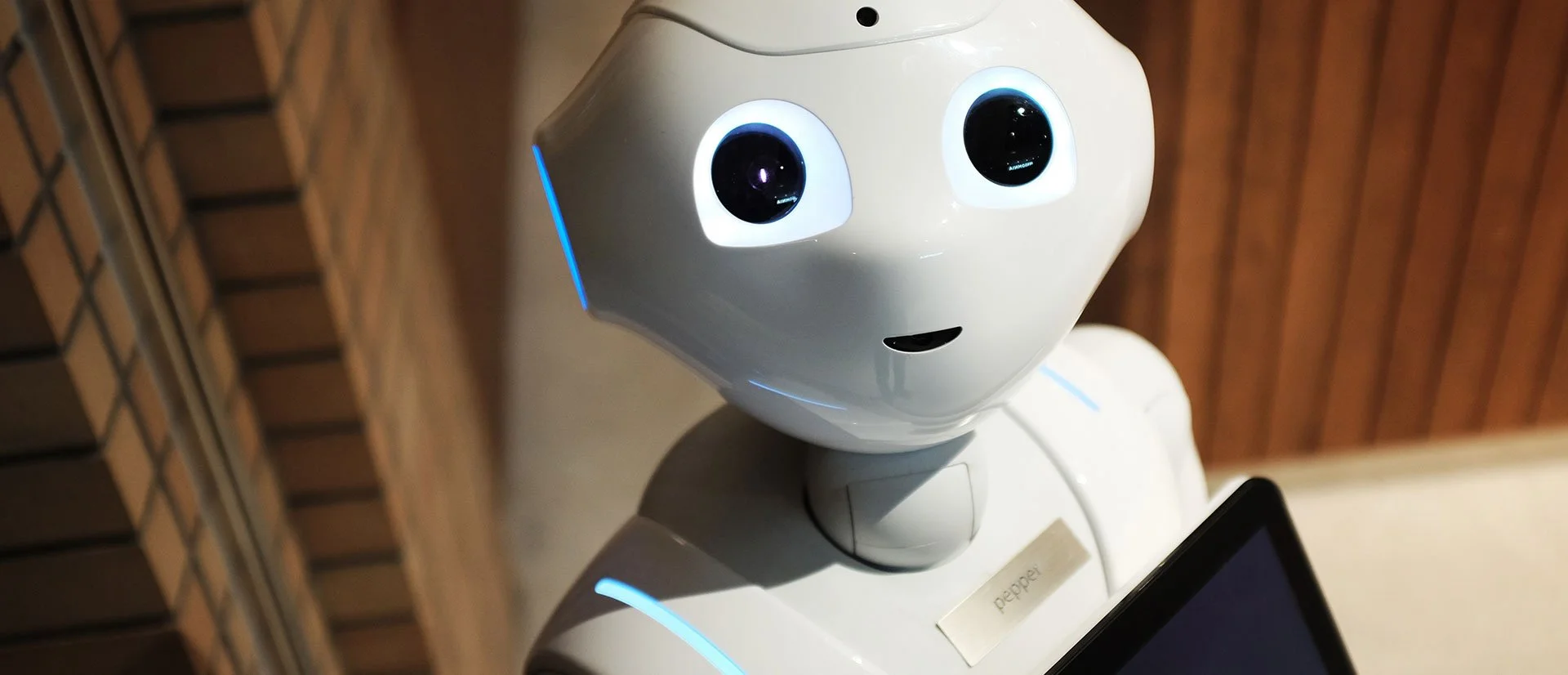
Mini robot - research, design and fabrication
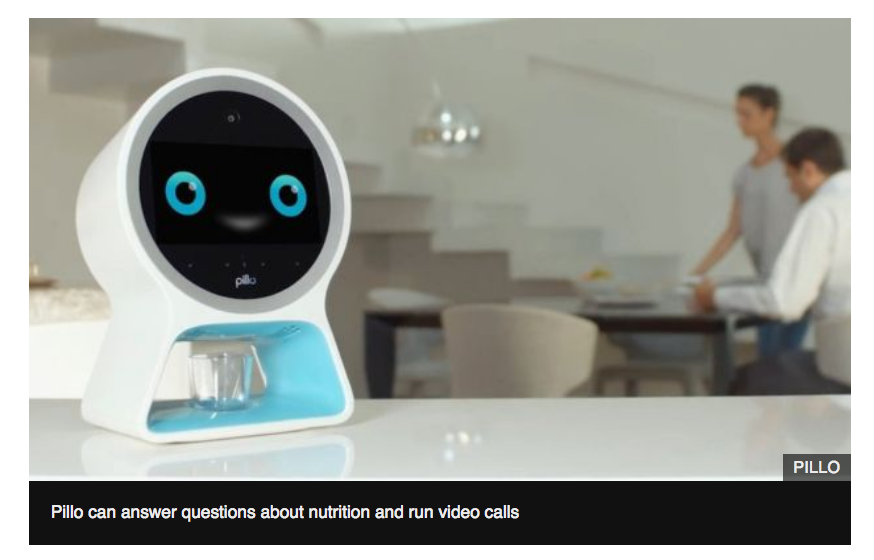
Research / design / development
Creating a believable near future required more than futuristic architecture. Technology had to feel like a natural evolution of the present, recognisable in its purpose but sufficiently advanced to suggest a world fifteen to twenty years ahead.
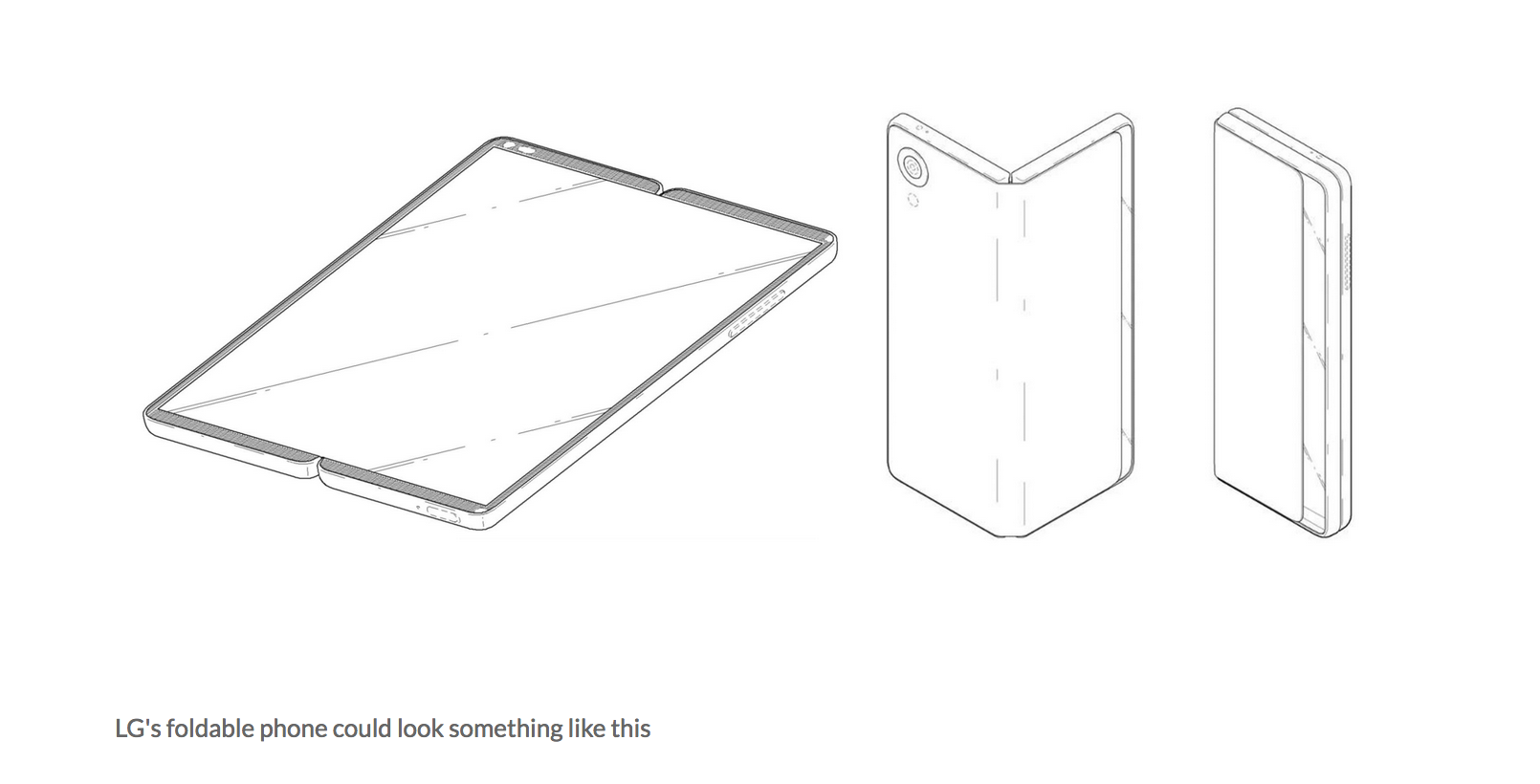
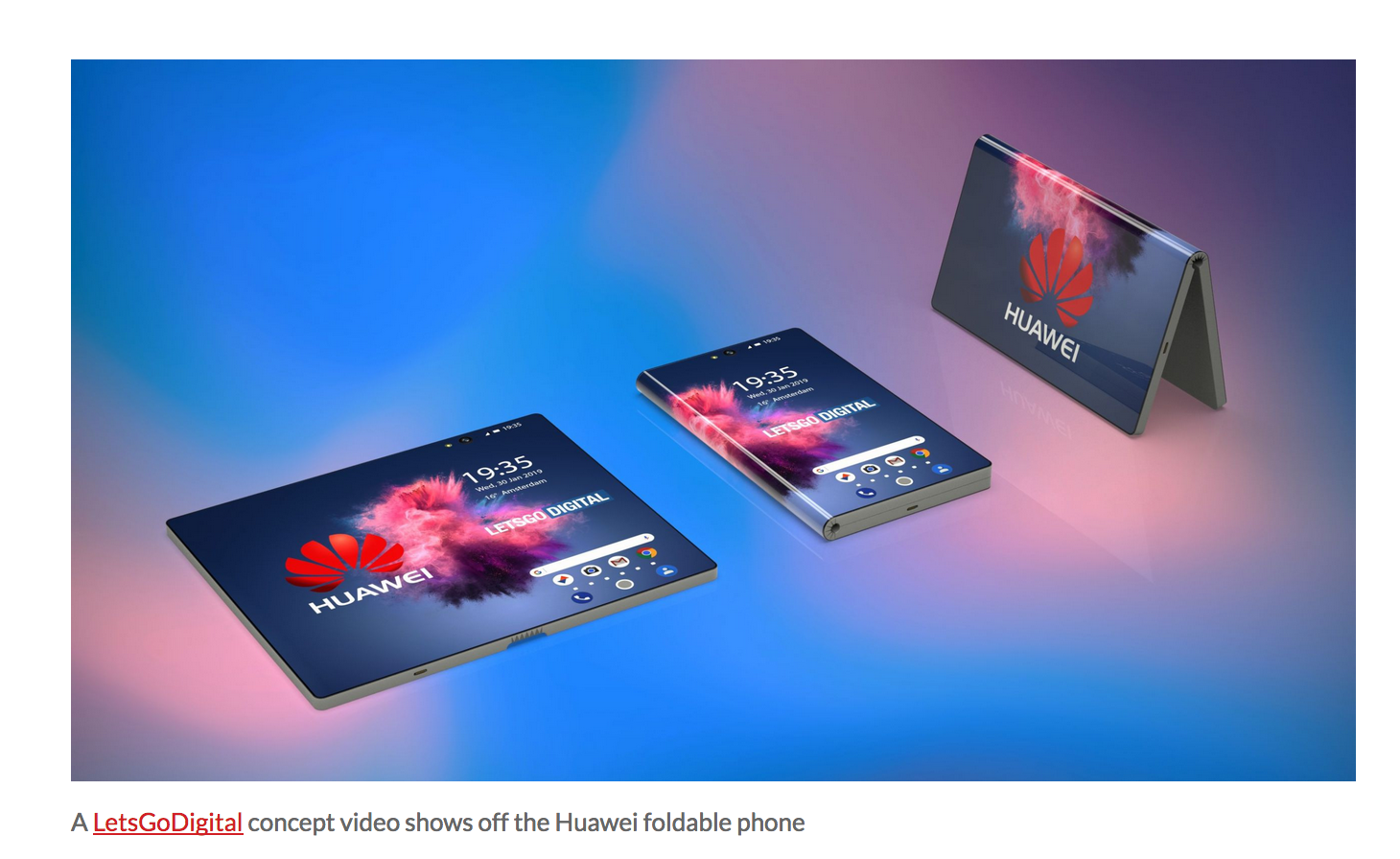
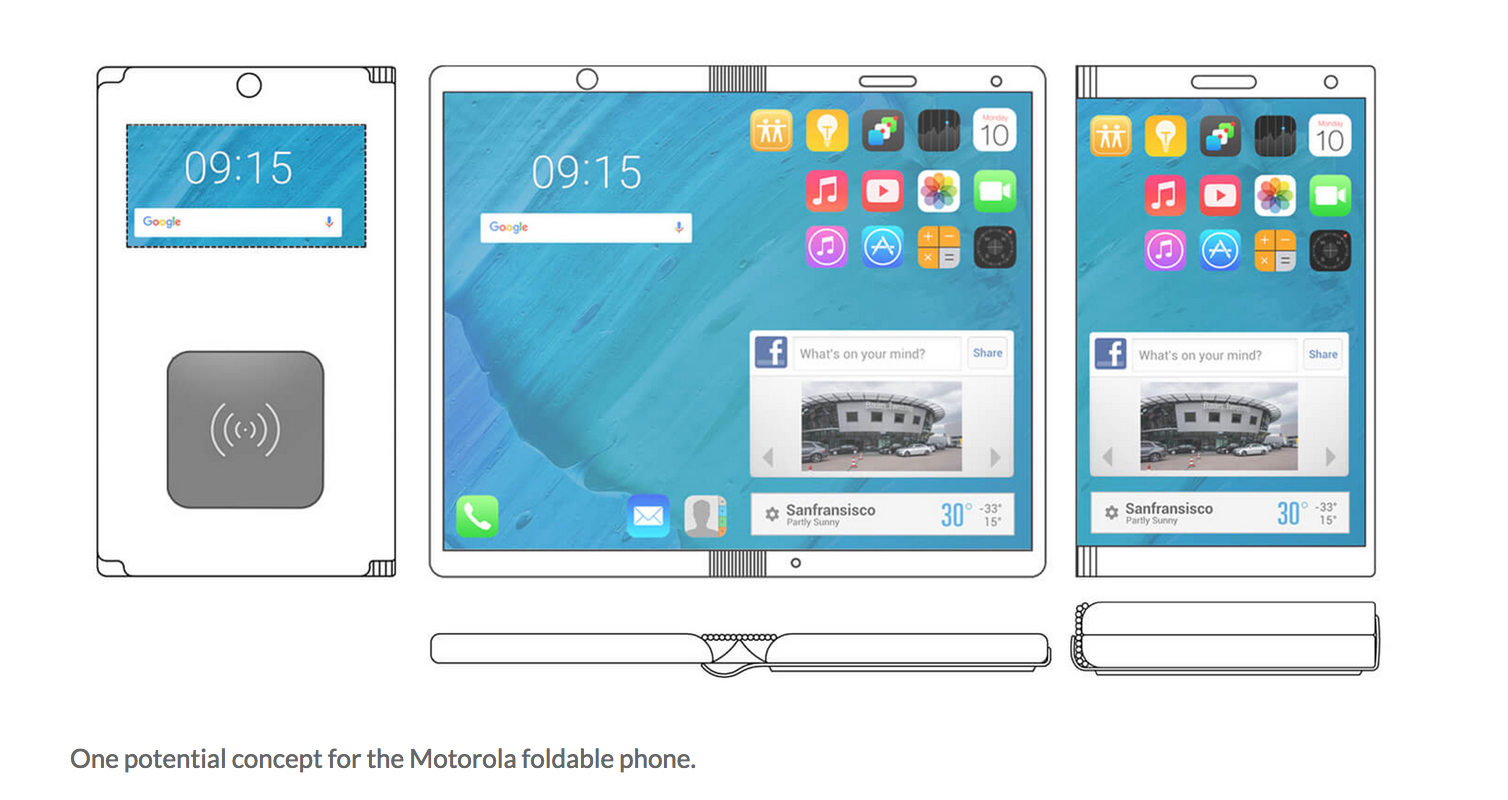
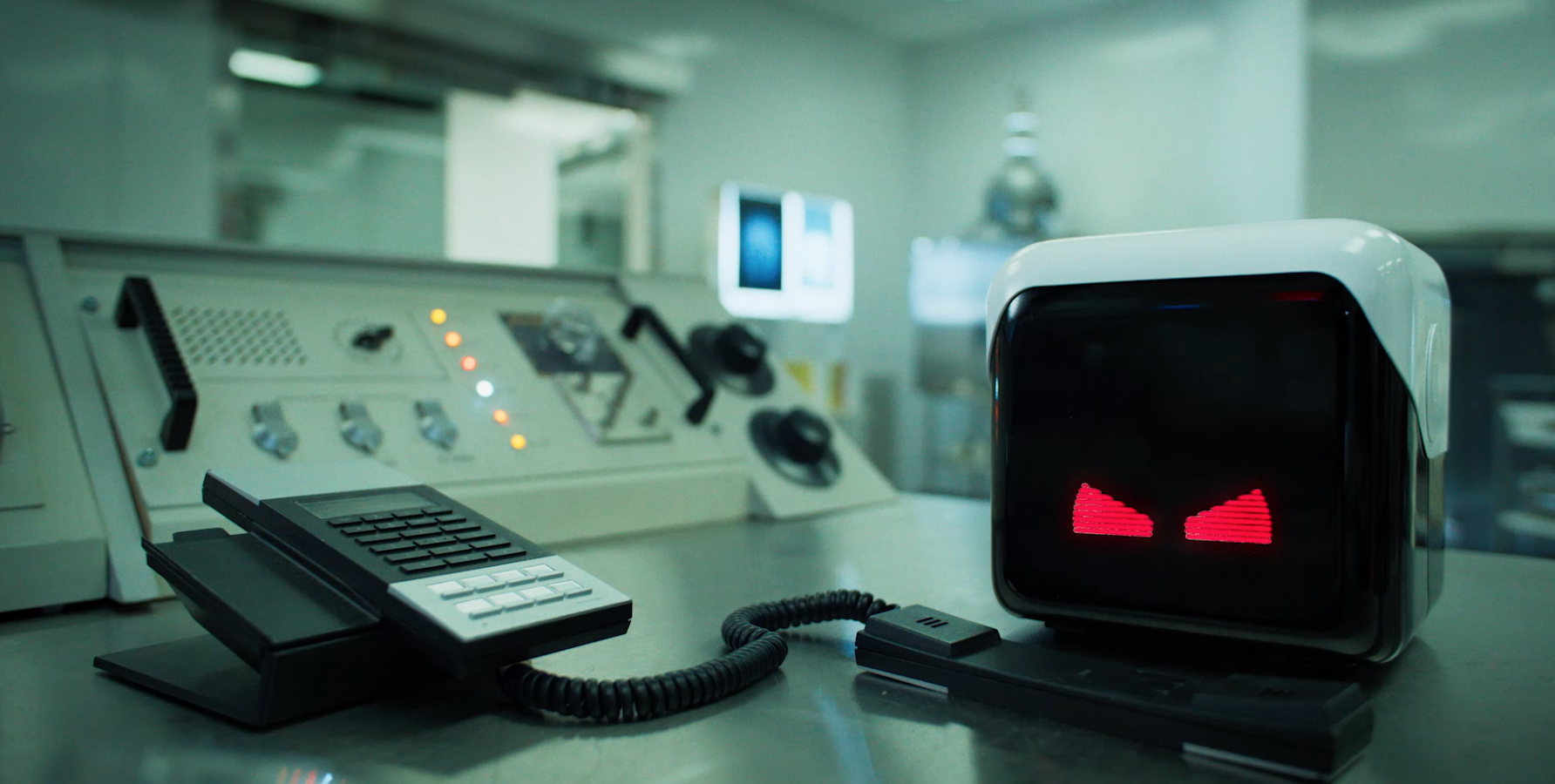
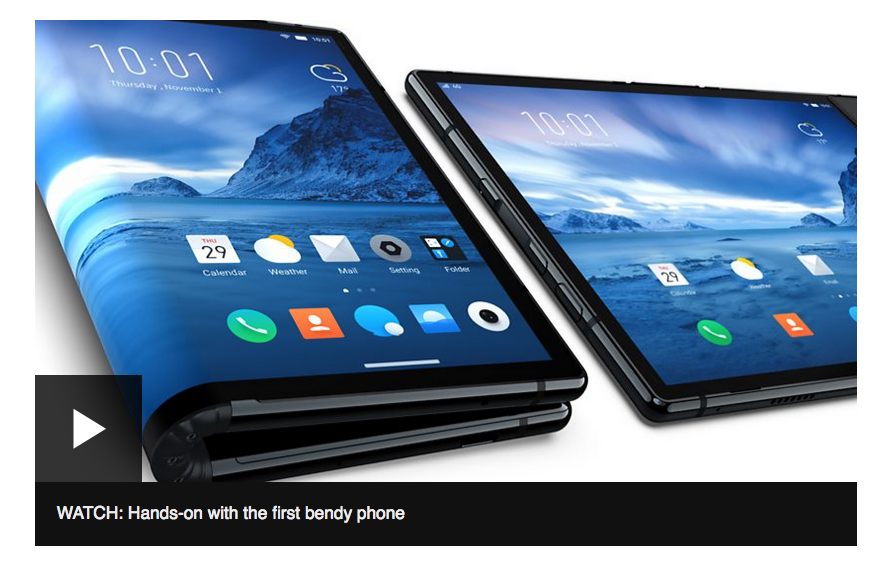
Research into emerging technologies informed the development of devices and environments throughout the series. These included foldable smartphones, miniature robotics, holographic courtroom technology, virtual reality equipment and inflatable medical casts.
Working from technologies available or in development in 2018–19, we explored how they might evolve and become part of everyday life. In collaboration with specialist prop makers in the UK, concepts were developed into physical prototypes and functional screen props, supported by digital content and visual effects where required.
The objective was not technology for spectacle alone, but a plausible future in which innovation had become an ordinary, integrated part of the world.
Foldable phone - research, design and fabrication